stand up pouch packaging
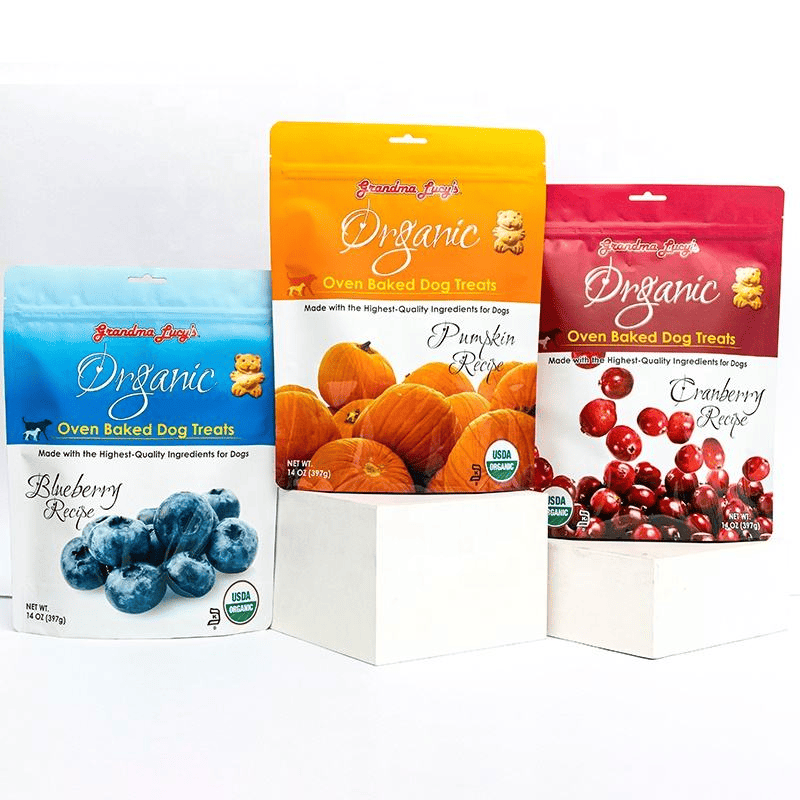
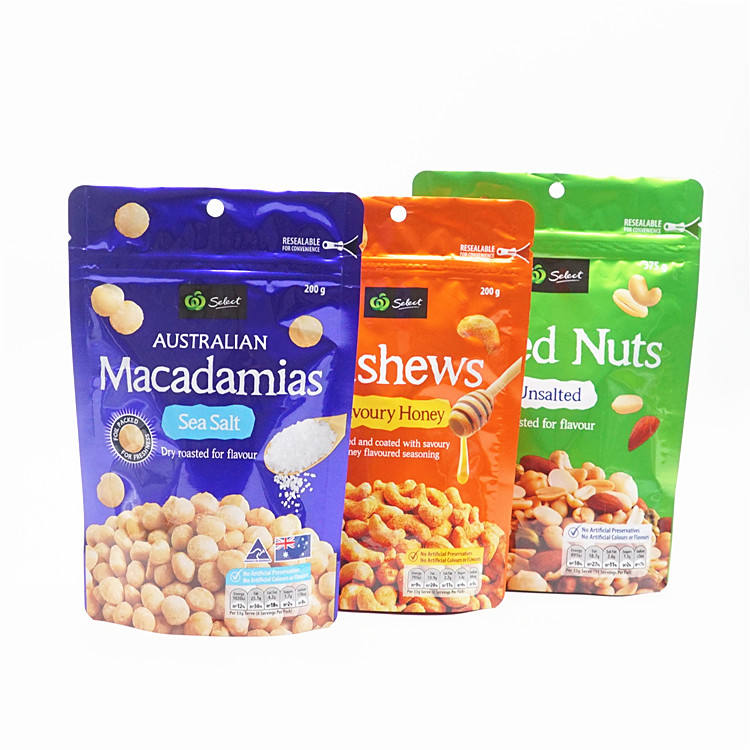
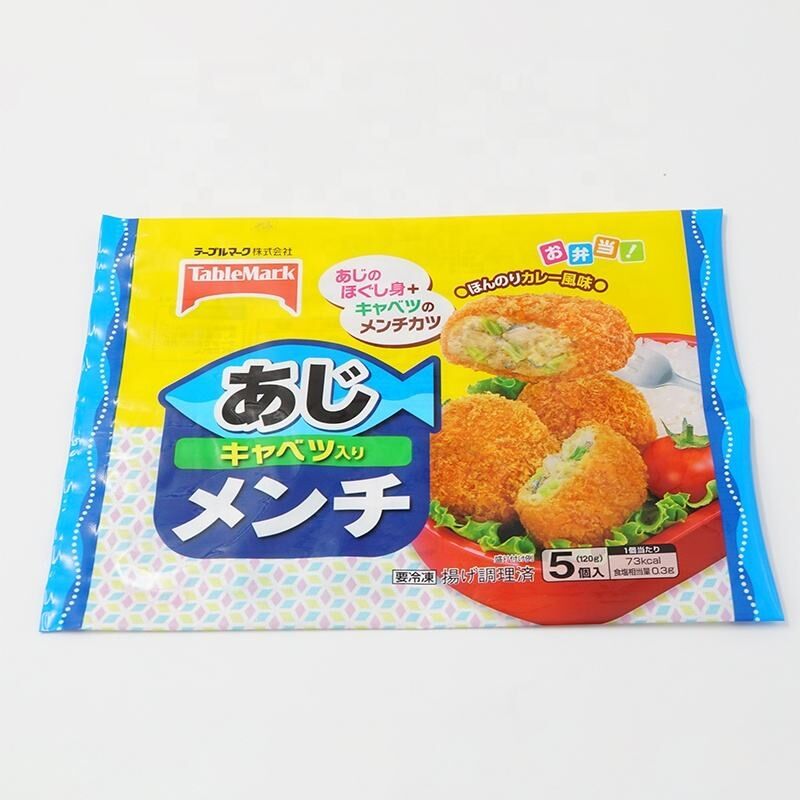
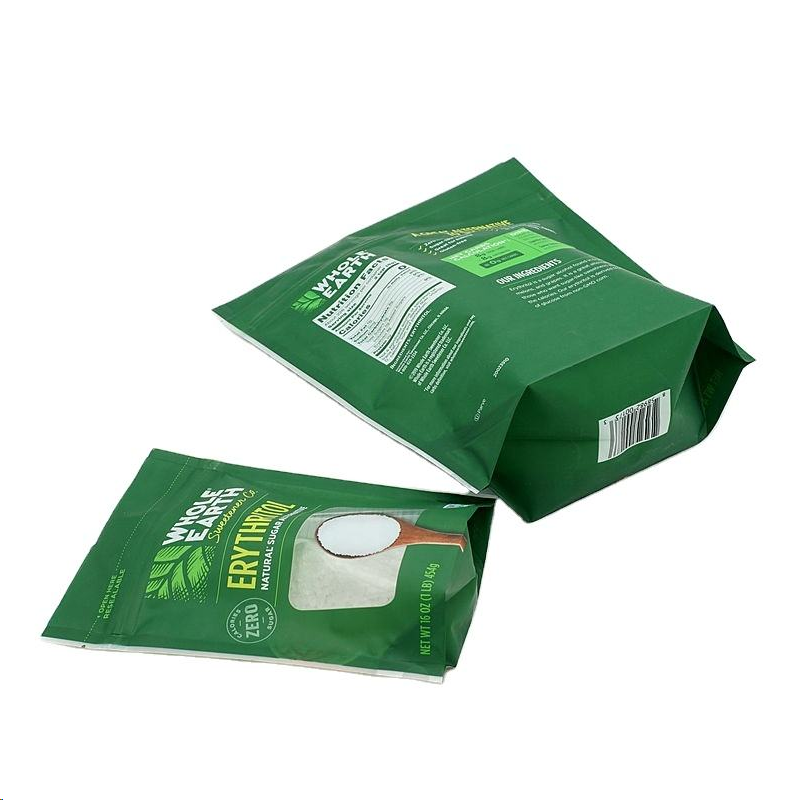
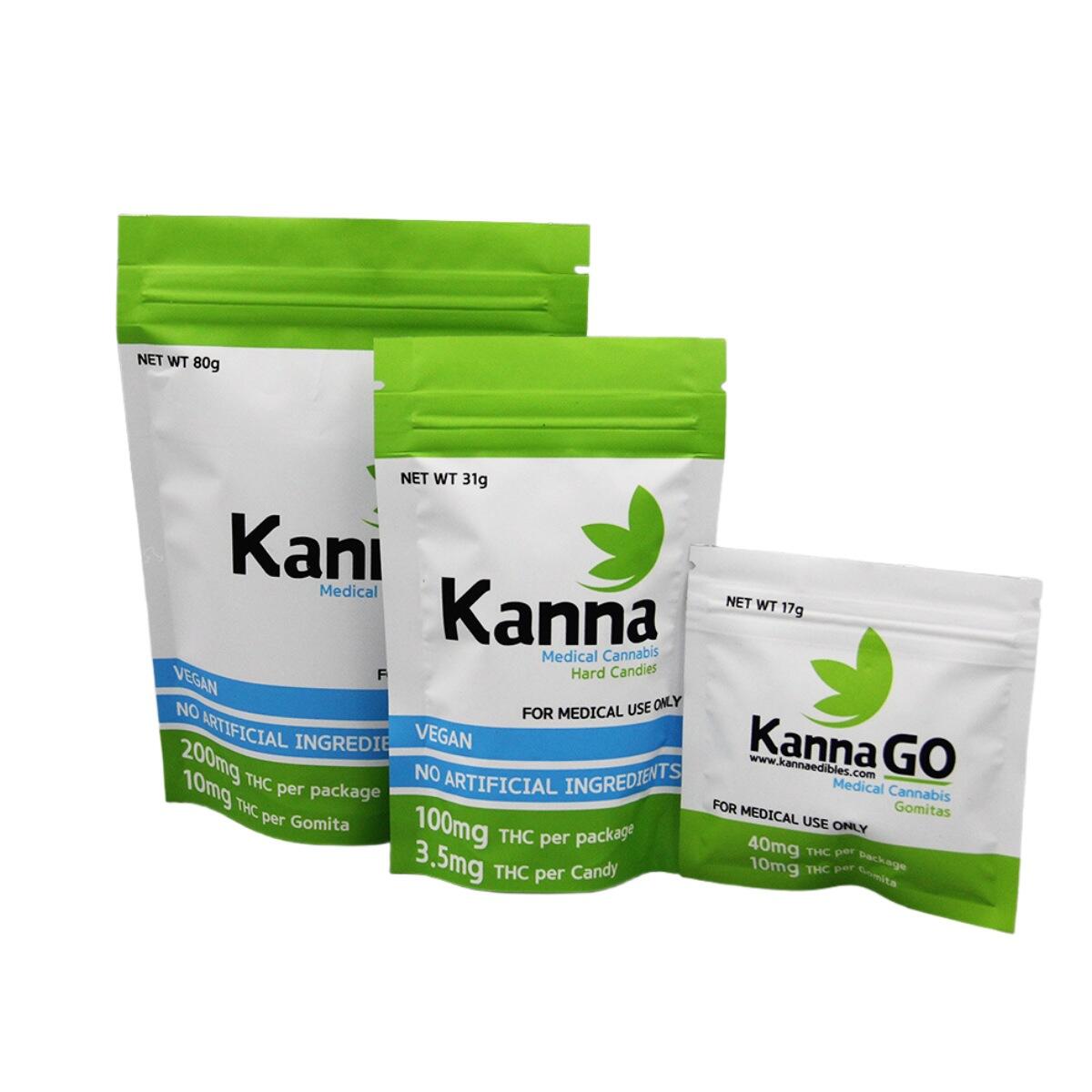
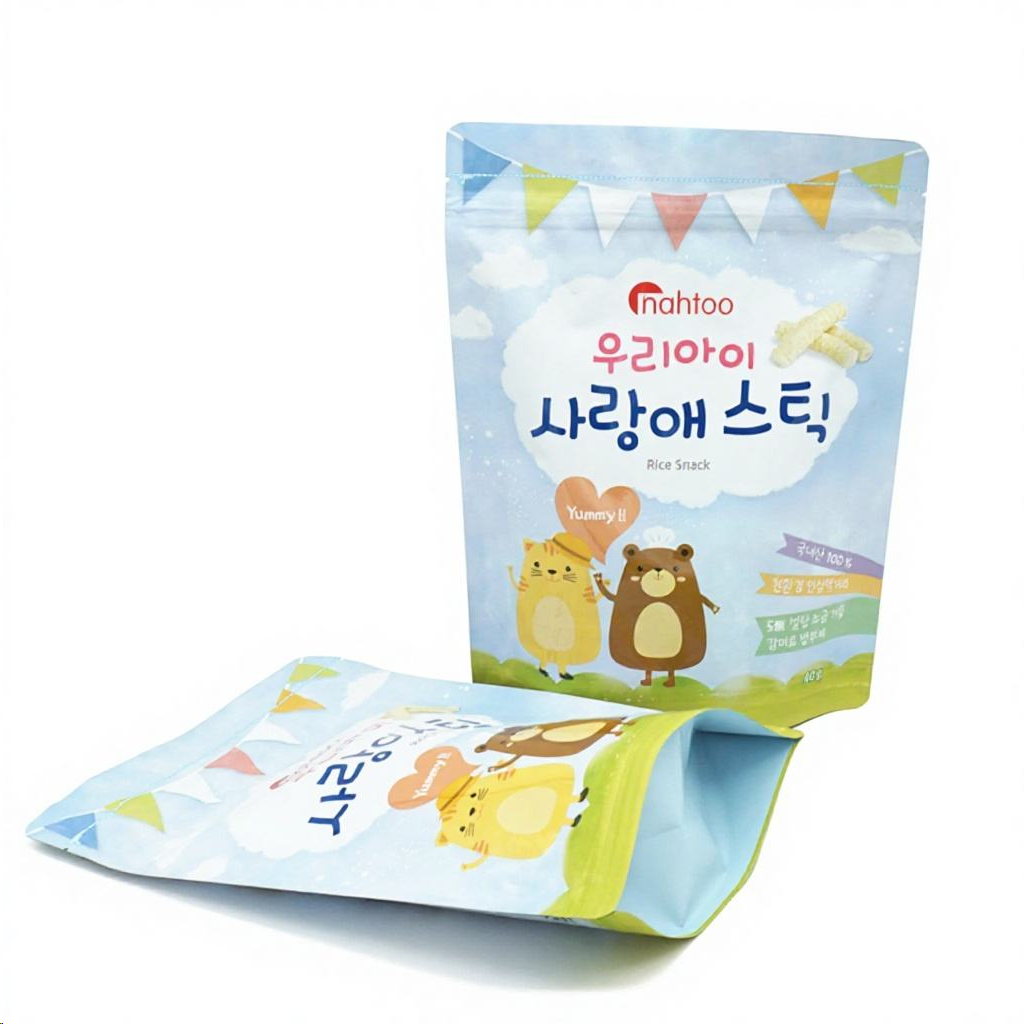
Stand up pouch packaging represents a revolutionary advancement in flexible packaging technology that has transformed how products are stored, displayed, and consumed across numerous industries. This innovative packaging solution combines the convenience of flexible materials with the stability of rigid containers, creating a versatile option that meets modern consumer demands for functionality and sustainability. Stand up pouch packaging features a unique bottom gusset design that allows the package to stand upright independently on retail shelves, providing excellent product visibility and brand presentation opportunities. The technological foundation of stand up pouch packaging relies on advanced lamination techniques that bond multiple layers of materials together, typically including barrier films, sealant layers, and printable surfaces. These multi-layer constructions deliver exceptional protection against moisture, oxygen, light, and other environmental factors that could compromise product quality and shelf life. The manufacturing process involves sophisticated machinery that forms the characteristic bottom gusset through precise folding and heat-sealing operations, ensuring structural integrity while maintaining flexibility. Stand up pouch packaging applications span across food and beverage industries, pharmaceuticals, cosmetics, pet food, and household products, demonstrating its remarkable versatility. The package design accommodates various closure systems including zip locks, spouts, and tear notches, enhancing user convenience and product accessibility. Modern stand up pouch packaging often incorporates sustainable materials and recyclable components, addressing growing environmental concerns while maintaining performance standards. The printing capabilities of stand up pouch packaging allow for vibrant graphics, detailed product information, and eye-catching branding elements that attract consumer attention in competitive retail environments. This packaging format efficiently utilizes storage space during transportation and warehousing due to its flexible nature when empty, reducing logistics costs and environmental impact compared to rigid alternatives.
 ×
×

 EN
EN