Premium Printed Roll Stock Solutions - Advanced Flexible Packaging Technology

Get a Free Quote

Our representative will contact you soon.
Email
Name
Company Name
Mobile/WhatsApp
Message
0/1000

printed roll stock

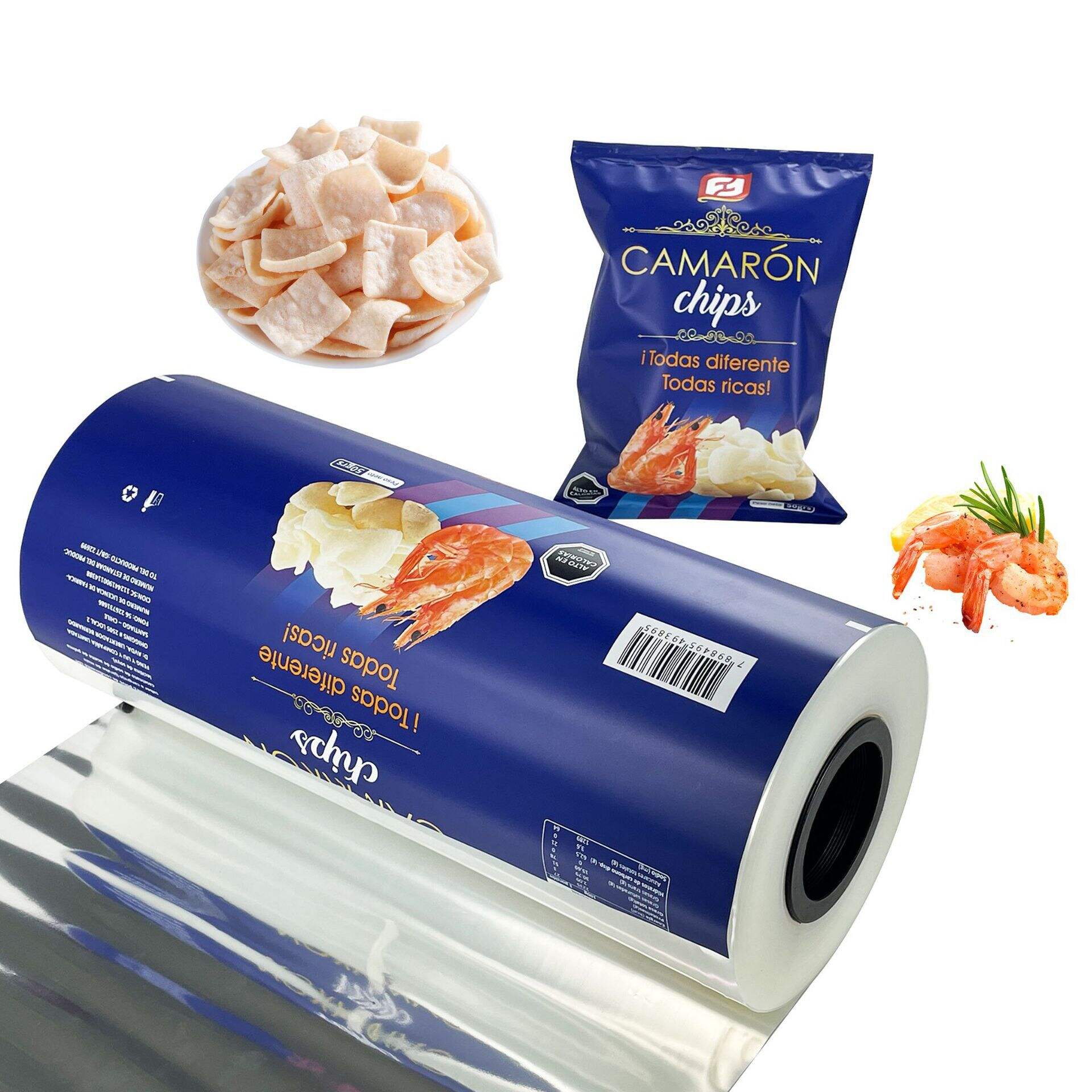
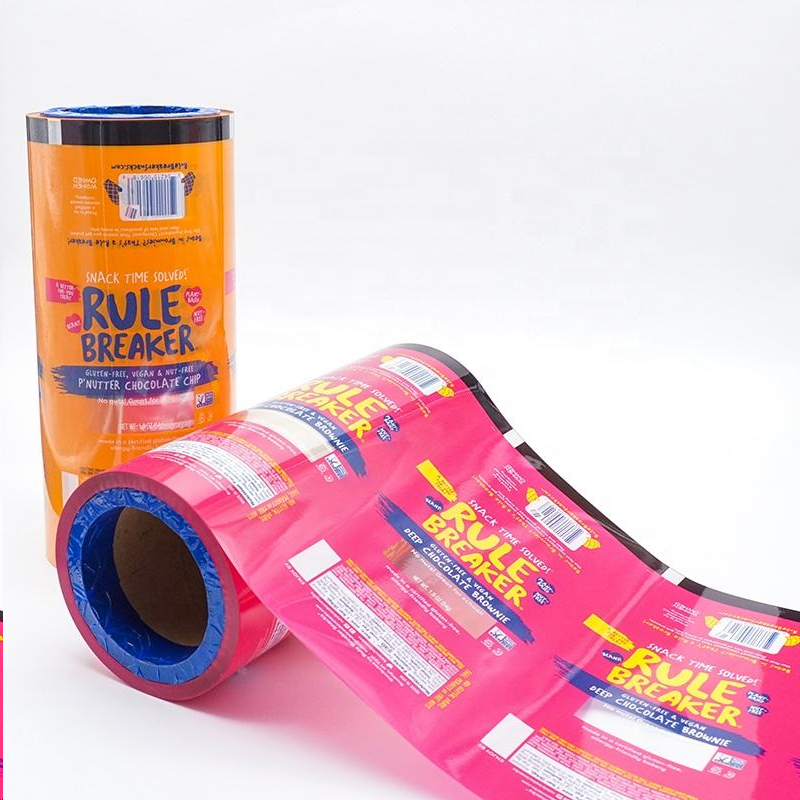
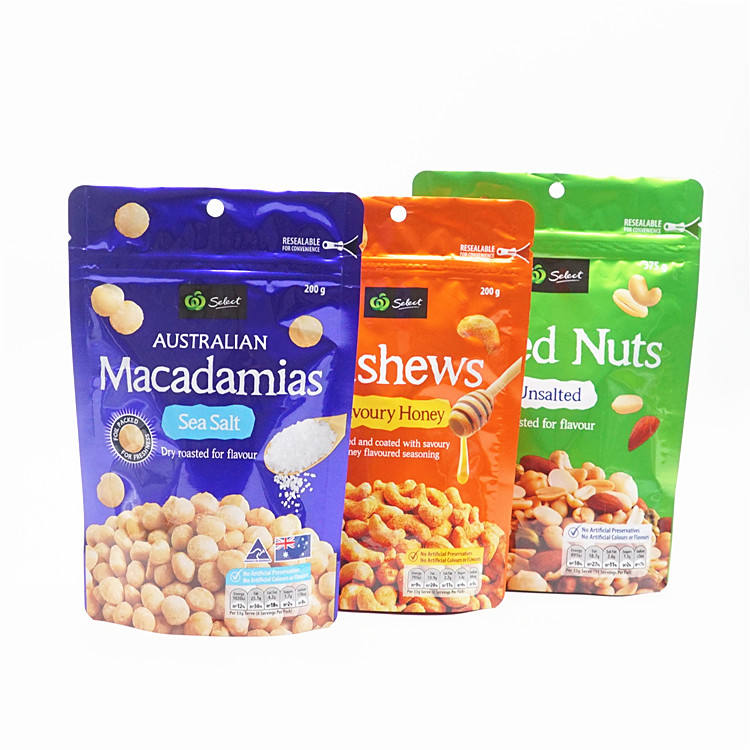
Printed roll stock represents a revolutionary packaging solution that combines advanced printing technology with flexible material engineering to deliver superior performance across multiple industries. This innovative packaging format consists of continuous rolls of flexible material that feature high-quality printed designs, branding elements, and essential product information directly applied to the substrate during manufacturing. The printed roll stock serves as the foundation for creating pouches, bags, and other flexible packaging formats that require both functional protection and visual appeal. The technological backbone of printed roll stock involves sophisticated printing processes including flexographic, gravure, and digital printing methods that ensure consistent color reproduction, sharp image quality, and durable ink adhesion. These materials typically utilize multi-layer laminated structures that incorporate barrier properties, puncture resistance, and heat-sealability to maintain product integrity throughout the supply chain. Modern printed roll stock manufacturing employs advanced web handling systems, precision register controls, and automated quality monitoring to guarantee dimensional accuracy and print consistency across entire production runs. The substrate materials range from polyethylene and polypropylene films to more specialized barrier materials like metallized films and aluminum foil composites, each selected based on specific application requirements. Applications for printed roll stock span numerous sectors including food packaging where it creates attractive pouches for snacks, coffee, pet food, and frozen products. The pharmaceutical industry relies on printed roll stock for creating sterile packaging that maintains drug efficacy while providing clear labeling and dosage information. Consumer goods manufacturers utilize this technology for packaging personal care products, cleaning supplies, and household items that require moisture protection and shelf appeal. Industrial applications include agricultural seed packets, chemical product pouches, and electronic component packaging where static protection and contamination prevention are critical. The versatility of printed roll stock extends to specialty applications such as medical device packaging, laboratory sample containers, and automotive component protection where specific barrier properties and regulatory compliance are essential.

New Products

Printed roll stock delivers exceptional cost-effectiveness by consolidating printing and substrate production into a single streamlined process, eliminating the need for separate label application or secondary decoration steps that increase manufacturing complexity and expenses. This integrated approach reduces material waste, minimizes handling requirements, and accelerates production timelines, resulting in significant cost savings for manufacturers while maintaining premium quality standards. The superior print quality achieved through printed roll stock technology ensures vibrant colors, crisp text, and photographic image reproduction that enhances brand visibility and consumer appeal on retail shelves. Advanced printing processes embedded in the manufacturing workflow guarantee consistent color matching across production batches, eliminating the variations commonly associated with separate printing and lamination operations. Brand owners benefit from enhanced shelf impact through seamless graphics that wrap around the entire package surface without visible seams or application marks that can detract from product presentation. The flexibility of printed roll stock accommodates rapid design changes and short-run productions without requiring expensive tooling modifications or extended setup times, enabling brands to respond quickly to market trends and seasonal promotions. This adaptability proves particularly valuable for companies launching new products or testing market response to packaging variations before committing to large-scale production runs. Inventory management becomes significantly more efficient with printed roll stock as manufacturers can maintain fewer SKUs while still offering diverse packaging options, reducing storage requirements and minimizing obsolescence risks. The roll format facilitates automated packaging equipment integration, enabling high-speed filling operations that maximize throughput while maintaining consistent package quality and reducing labor costs associated with manual packaging processes. Environmental benefits emerge from the reduced material usage and waste generation inherent in the printed roll stock process, as the elimination of separate labels and adhesives decreases the overall environmental footprint while maintaining recyclability where appropriate. Quality control advantages include consistent barrier properties, uniform thickness distribution, and predictable seal strength that ensure product protection throughout distribution and storage. The continuous manufacturing process enables real-time monitoring and adjustment capabilities that maintain optimal quality standards and reduce defect rates compared to multi-step packaging processes. Supply chain efficiency improves through consolidated sourcing, simplified logistics, and reduced supplier management requirements that streamline procurement operations and enhance delivery reliability for packaging materials.

Practical Tips

Factory Resumes Work After Spring Festival Holiday: Safety Training First, Orderly Production Restarted

30

Mar

Factory Resumes Work After Spring Festival Holiday: Safety Training First, Orderly Production Restarted

View More

Get a Free Quote

Our representative will contact you soon.
Email
Name
Company Name
Mobile/WhatsApp
Message
0/1000

printed roll stock

Advanced Multi-Layer Barrier Technology

Advanced Multi-Layer Barrier Technology

The sophisticated barrier technology incorporated into printed roll stock represents a breakthrough in packaging protection that combines multiple functional layers into a single, cohesive structure designed to preserve product quality and extend shelf life significantly. This advanced multi-layer construction typically features specialized polymer films that each contribute unique protective properties, creating a comprehensive barrier system that guards against moisture transmission, oxygen permeation, light degradation, and contamination from external sources. The outer layer provides mechanical strength and print receptivity, ensuring that graphics remain vibrant and intact throughout handling and distribution while resisting punctures, tears, and abrasion that could compromise package integrity. Intermediate barrier layers utilize advanced materials such as ethylene vinyl alcohol copolymers, aluminum oxide coatings, or metallized films that create virtually impermeable barriers against specific environmental factors that cause product deterioration. The inner sealant layer employs food-grade polymers that provide excellent heat-seal properties for reliable package closure while maintaining chemical compatibility with packaged products and preventing flavor scalping or migration that could affect product quality. This integrated approach eliminates the weaknesses commonly associated with adhesive lamination processes where delamination or bond failure can create pathways for contamination or barrier property loss. The precision manufacturing process ensures uniform layer thickness distribution and consistent adhesion between layers, creating packages that maintain their protective properties even under extreme temperature variations, mechanical stress, or extended storage periods. Quality assurance testing protocols verify barrier performance through accelerated aging studies, permeation rate measurements, and mechanical property evaluations that guarantee consistent protection levels across production batches. The technology accommodates specialized requirements such as high-temperature processing compatibility for retort applications, controlled atmosphere packaging for fresh produce, or ultra-low moisture transmission rates for pharmaceutical products that require extended stability. Environmental considerations are addressed through the development of recyclable multi-layer structures and bio-based barrier materials that maintain performance while reducing environmental impact. This technological advancement enables brand owners to extend product shelf life, reduce waste, and maintain product quality standards that meet consumer expectations while providing the visual appeal necessary for successful marketing and brand differentiation in competitive retail environments.
Precision Print Registration and Color Consistency

Precision Print Registration and Color Consistency

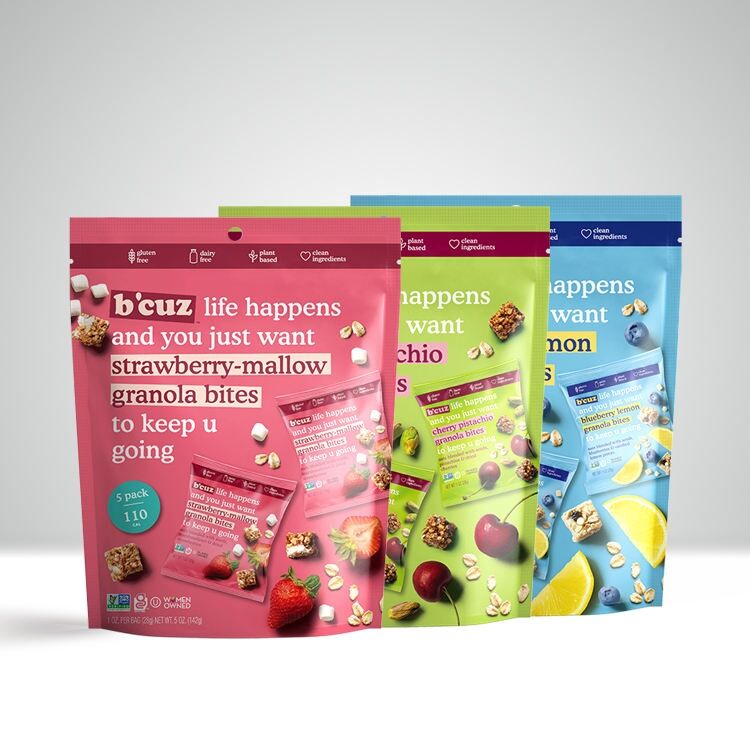
The precision print registration system integrated into printed roll stock manufacturing represents a technological achievement that ensures flawless graphic reproduction and maintains brand standards across millions of packages through sophisticated control systems and advanced monitoring technologies. This comprehensive registration control system utilizes high-resolution cameras, electronic eye sensors, and servo-driven correction mechanisms that continuously monitor print placement and automatically adjust registration parameters in real-time to maintain tolerances measured in fractions of millimeters. The color management system employs spectrophotometric monitoring and closed-loop color control that maintains consistent color reproduction throughout production runs, eliminating the color variations that can occur with conventional printing processes and ensuring that every package reflects the exact brand colors specified by designers. Advanced ink formulation technology provides superior adhesion, flexibility, and fade resistance that maintains graphic quality throughout the package lifecycle, from initial printing through filling, sealing, distribution, and consumer handling. The printing process accommodates complex graphic designs including fine line art, small text, photographic images, and graduated color transitions that traditional packaging methods struggle to reproduce consistently at high production speeds. Registration accuracy extends beyond simple color-to-color alignment to include precise coordination between printed graphics and package features such as perforation lines, zipper locations, and seal areas, ensuring that functional elements integrate seamlessly with visual design elements. Quality control systems monitor registration accuracy continuously and provide immediate feedback to operators when adjustments are needed, minimizing waste and ensuring that production standards are maintained consistently. The technology supports specialized printing effects including metallic inks, security features, variable data printing, and tactile coatings that enhance package functionality and consumer interaction while maintaining registration precision. Color consistency verification involves statistical process control methods that track color deviation trends and predict when adjustments may be needed before quality issues develop, ensuring proactive rather than reactive quality management. The system accommodates rapid job changeovers between different printed roll stock designs while maintaining registration accuracy, enabling efficient production scheduling and reducing setup waste associated with color matching and registration adjustment procedures. This precision control technology extends to the coordination between printing stations in multi-color printing operations, ensuring that complex designs with multiple colors remain in perfect registration regardless of production speed variations or material tension changes that occur during manufacturing.
Customizable Package Formats and Sizing Flexibility

Customizable Package Formats and Sizing Flexibility

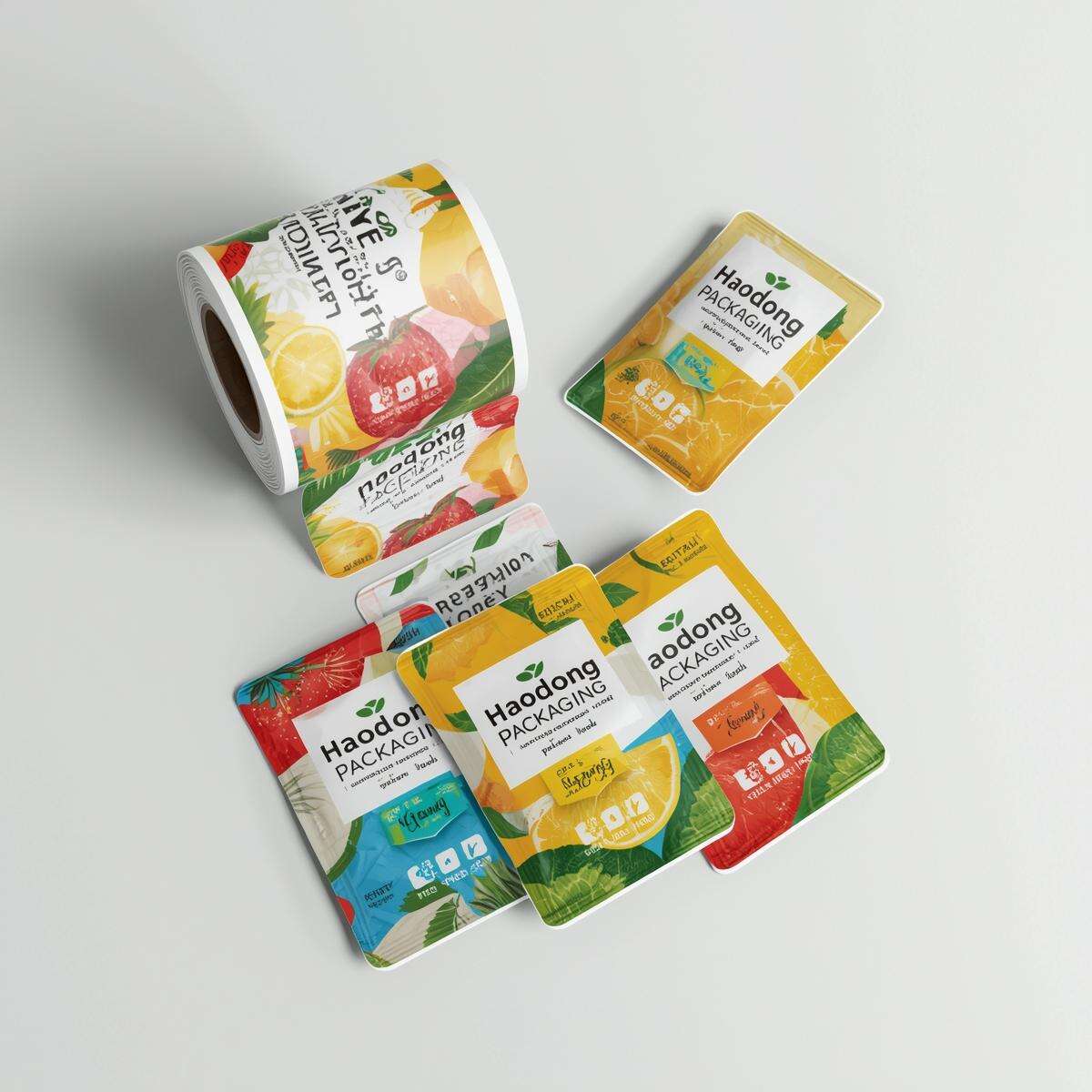
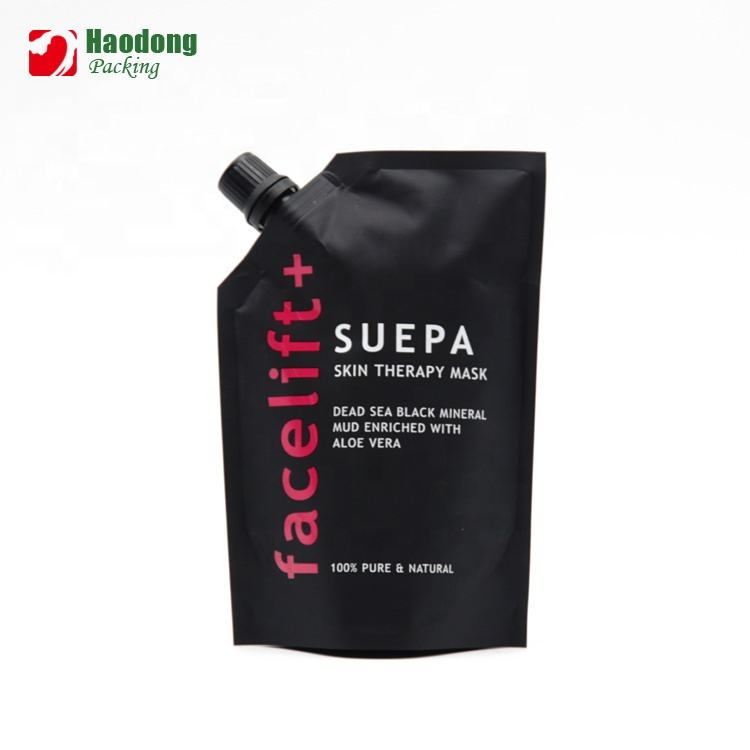
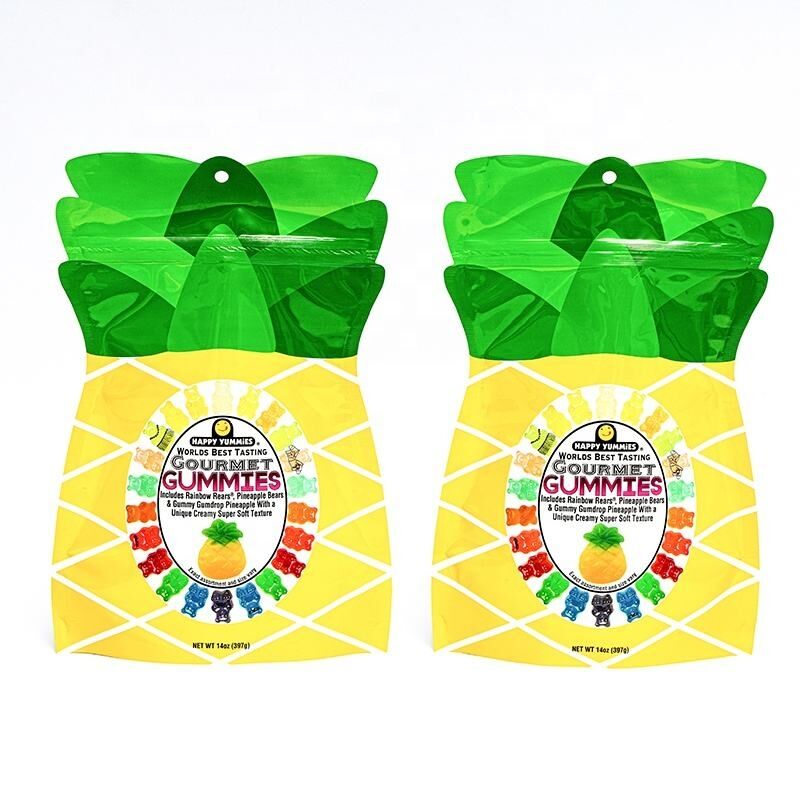
The inherent flexibility of printed roll stock technology enables manufacturers to create virtually unlimited package configurations and sizes from a single printed substrate, providing unprecedented versatility that accommodates diverse product requirements and market demands while maintaining consistent brand presentation and quality standards. This adaptability stems from the continuous roll format that allows packages to be formed at any desired length within the constraints of the roll width, enabling manufacturers to optimize package dimensions for specific product volumes, shipping requirements, or retail display preferences without requiring separate tooling or setup changes. The forming process utilizes sophisticated converting equipment that can create various package styles including stand-up pouches, flat pouches, gusseted bags, zipper closures, spout applications, and specialized formats such as shaped pouches that conform to product contours or create unique shelf presence. Advanced converting technology incorporates laser cutting, ultrasonic sealing, and precision perforation systems that enable complex package features including easy-open mechanisms, portion control perforations, and tamper-evident closures that enhance consumer convenience while maintaining package integrity. Size flexibility extends from small single-serve portions to large institutional packages, accommodating market segmentation strategies that require multiple package sizes for the same product while maintaining consistent branding and graphic elements across the entire product line. The system supports rapid changeovers between different package configurations, enabling efficient production of multiple package sizes within the same production run and reducing inventory requirements for packaging materials while maximizing equipment utilization. Custom package shapes and features can be developed through collaboration between packaging engineers and brand designers, creating unique package formats that differentiate products in competitive markets while maintaining the manufacturing efficiency and cost-effectiveness of the printed roll stock process. The technology accommodates specialized functional requirements such as recloseable features, dispensing systems, portion control mechanisms, and multi-compartment designs that enhance product utility and consumer satisfaction while maintaining the visual appeal and brand consistency that drive purchasing decisions. Package development timelines are significantly reduced compared to traditional packaging methods as new sizes and formats can be tested and implemented without requiring expensive tooling investments or extended setup procedures, enabling rapid market response and product innovation. Quality assurance protocols ensure that package integrity and seal strength remain consistent across all size variations and package formats, maintaining product protection standards regardless of package configuration or size requirements.

Get a Free Quote

Our representative will contact you soon.
Email
Name
Company Name
Mobile/WhatsApp
Message
0/1000