Premium Plastic Food Packaging Bags - Superior Protection & Sustainable Solutions for Food Industry

Get a Free Quote

Our representative will contact you soon.
Email
Name
Company Name
Mobile/WhatsApp
Message
0/1000

plastic food packaging bags

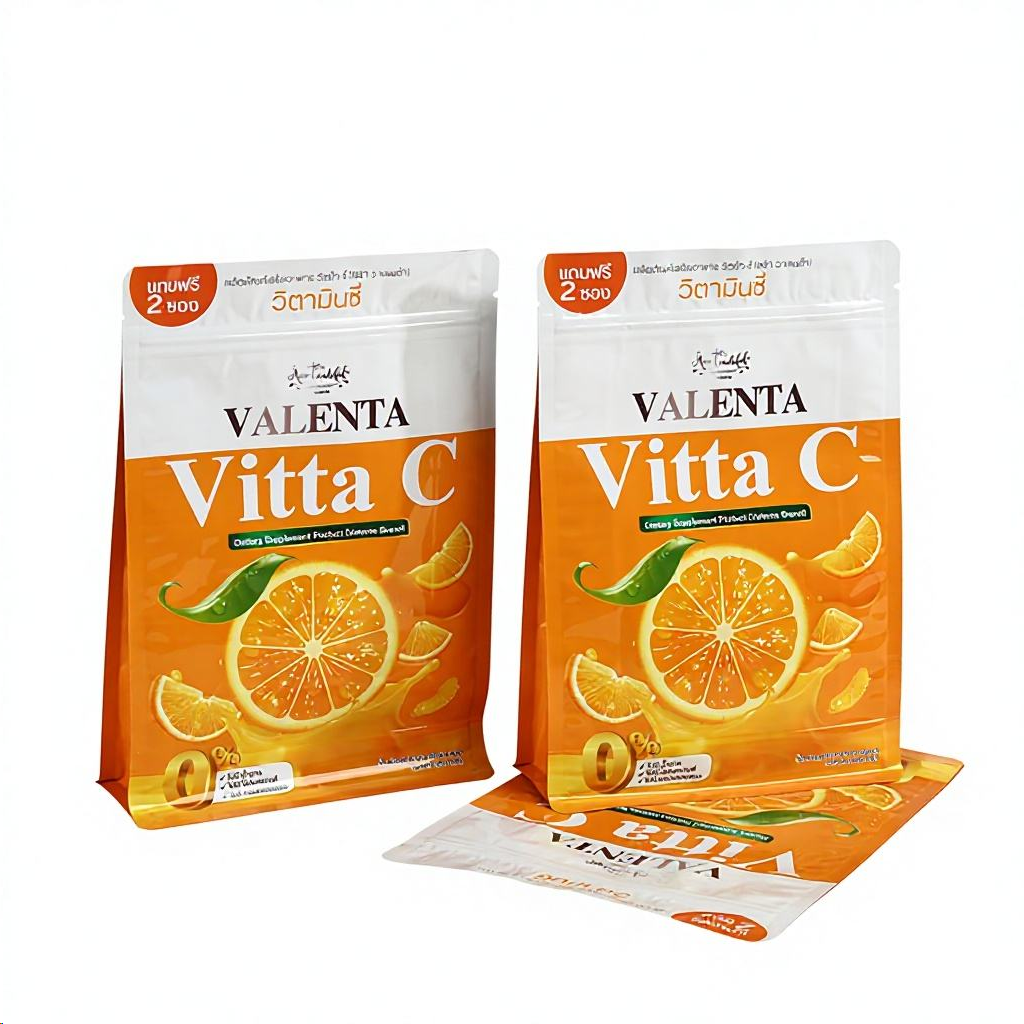
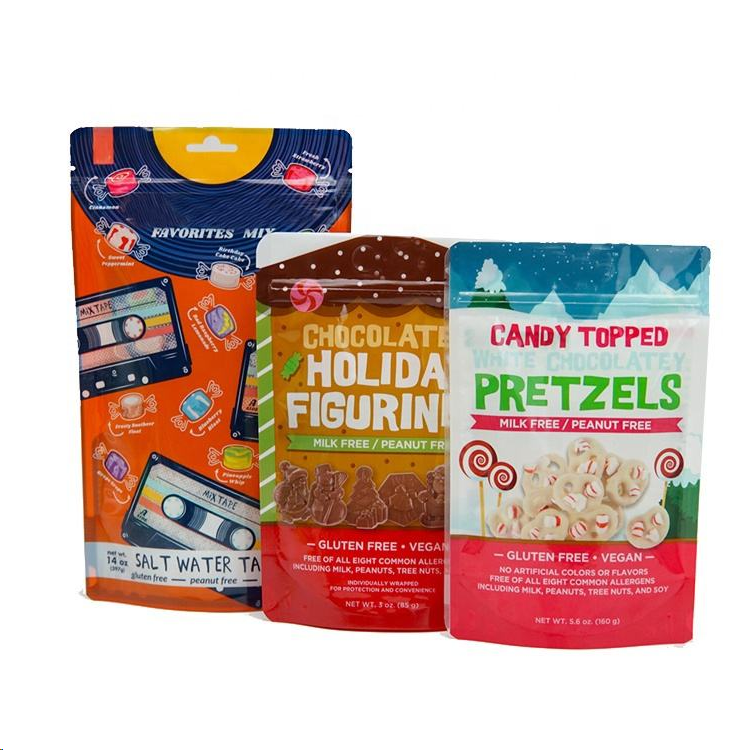
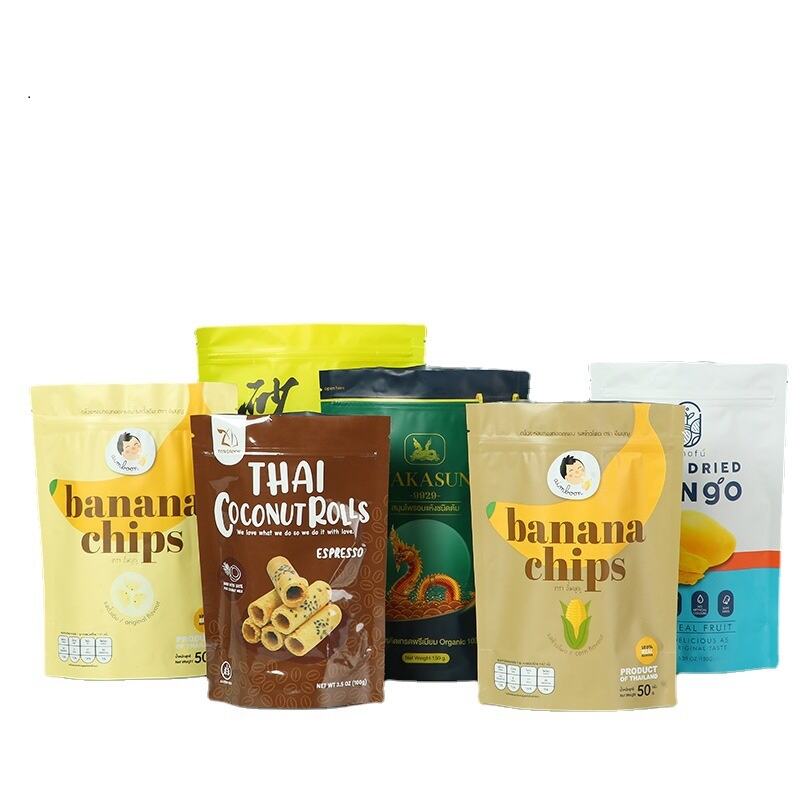
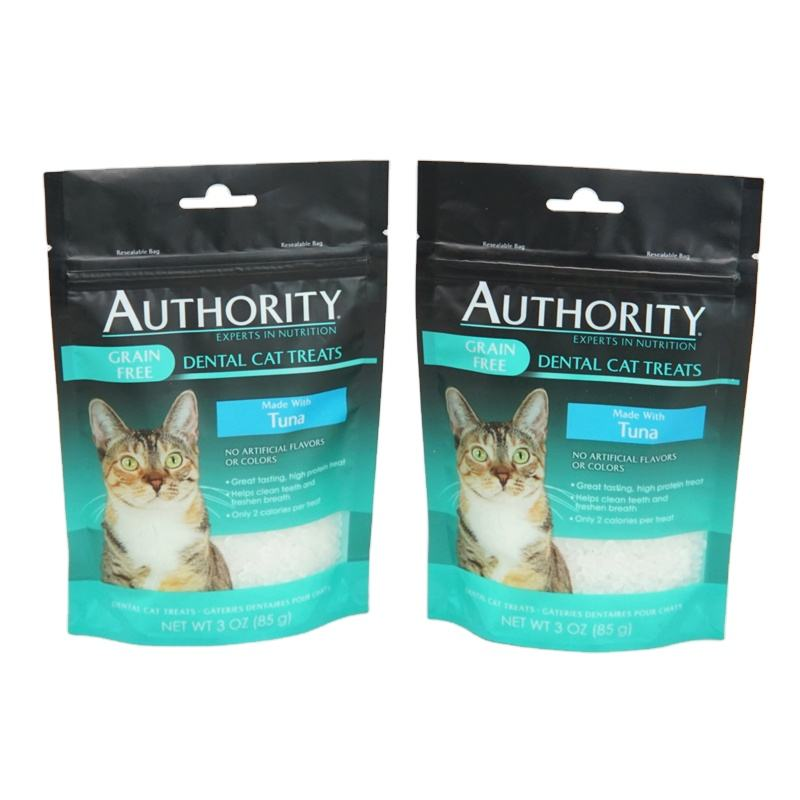
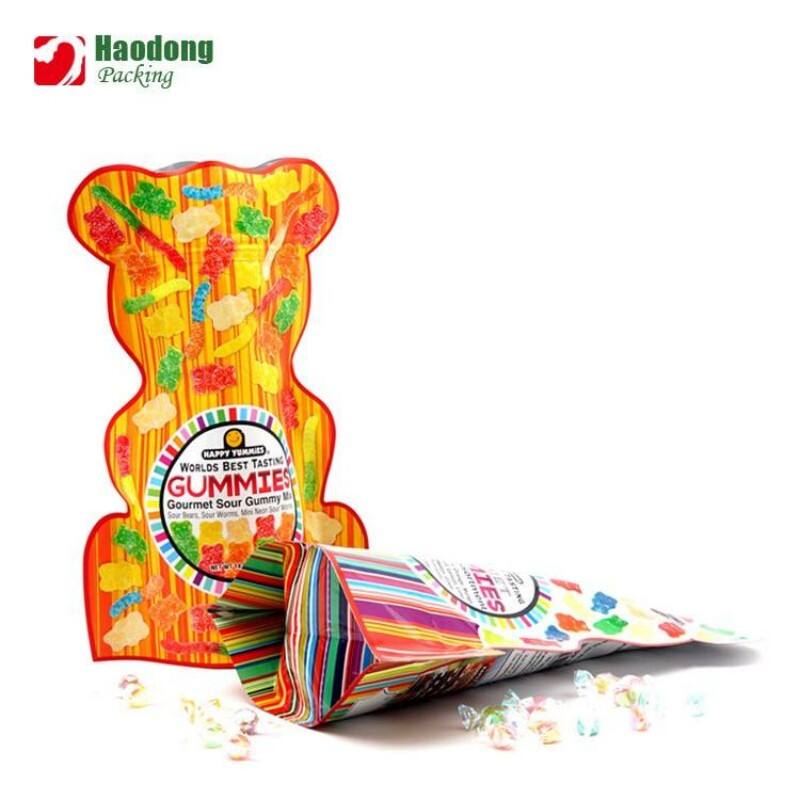
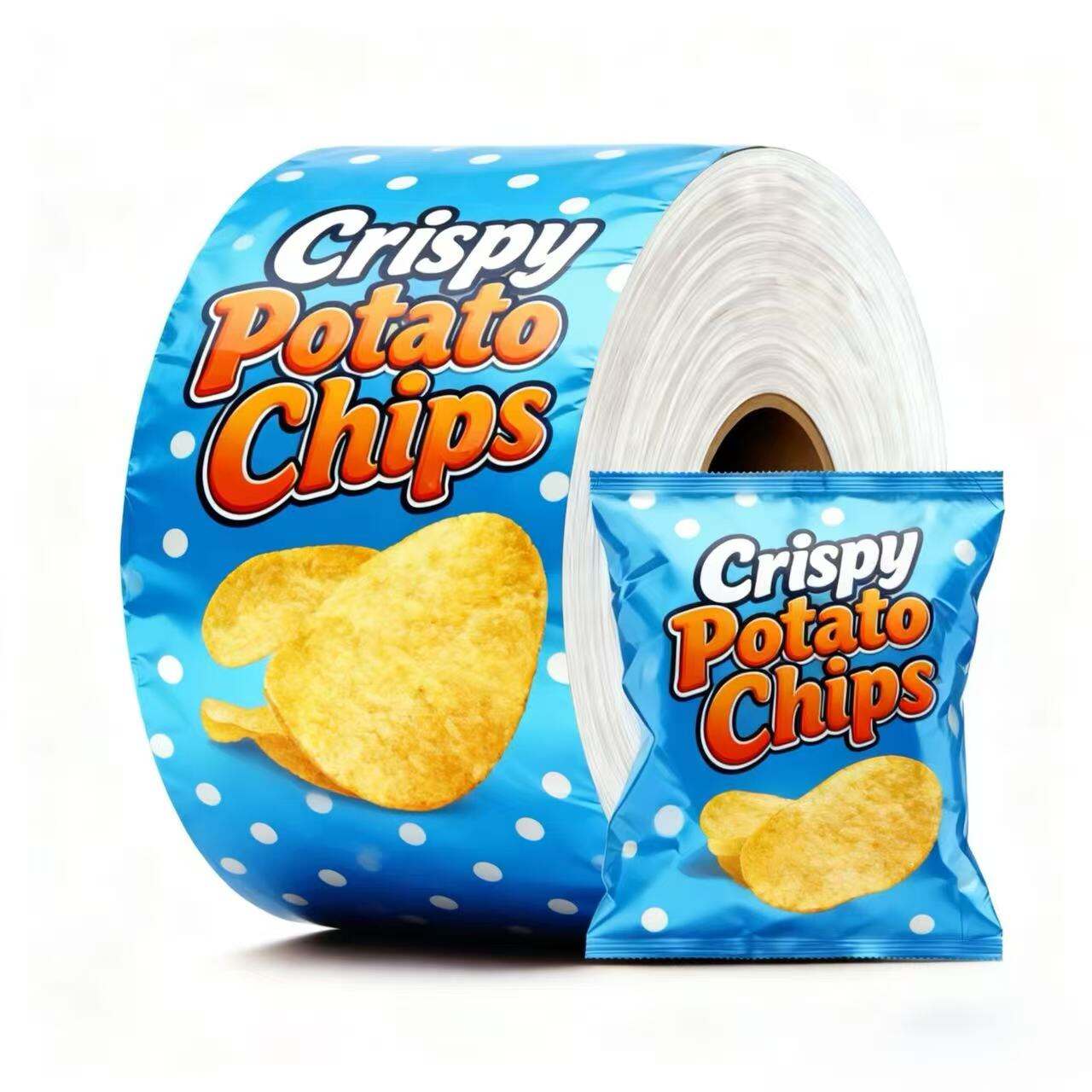
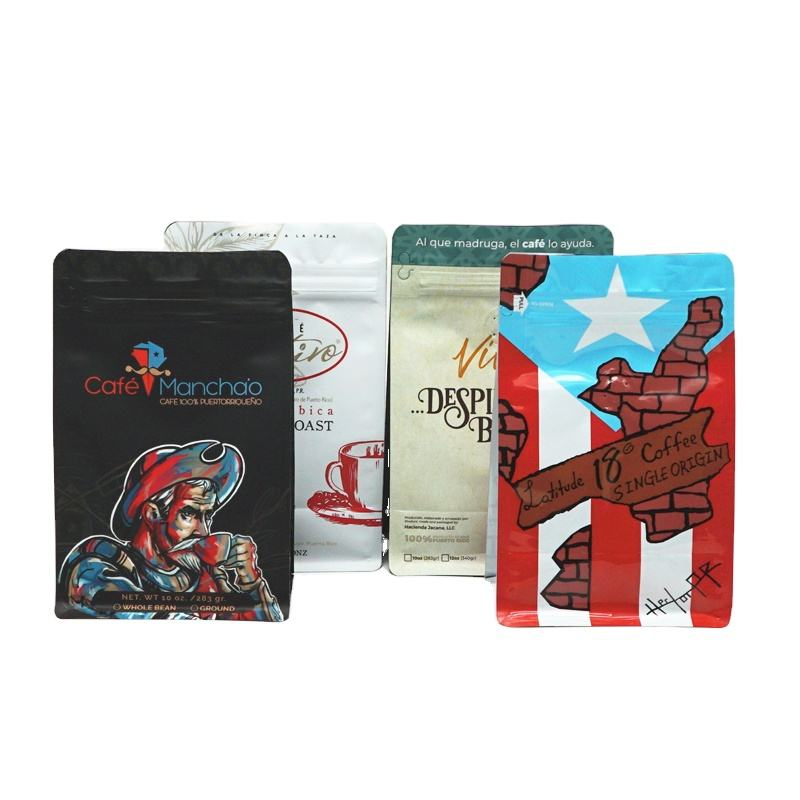
Plastic food packaging bags represent a revolutionary solution in modern food storage and transportation systems. These versatile containers serve as protective barriers that maintain food freshness, extend shelf life, and ensure safe delivery from producers to consumers. The primary functions of plastic food packaging bags encompass moisture protection, oxygen barrier properties, contamination prevention, and structural integrity during handling and transport. Advanced manufacturing techniques incorporate multi-layer constructions that combine different polymer materials to achieve optimal performance characteristics. These technological features include heat-sealable properties, puncture resistance, clarity for product visibility, and customizable thickness specifications. The manufacturing process utilizes blown film extrusion technology, which creates seamless bags with consistent wall thickness and superior strength properties. Modern plastic food packaging bags incorporate barrier coatings that significantly reduce gas permeability, thereby preserving food quality and nutritional value. Temperature resistance capabilities allow these bags to withstand various storage conditions, from freezer temperatures to ambient warehouse environments. The applications span across numerous food categories including fresh produce, processed meats, dairy products, baked goods, and frozen items. Retail establishments rely on plastic food packaging bags for portion control, brand presentation, and inventory management systems. Food service industries utilize these bags for bulk storage, meal preparation, and take-out services. The pharmaceutical and nutraceutical sectors also employ specialized plastic food packaging bags for supplement packaging and medical nutrition products. Environmental considerations have driven innovations in biodegradable and recyclable plastic food packaging bags, addressing sustainability concerns while maintaining performance standards. Quality control measures ensure compliance with food safety regulations and international packaging standards, guaranteeing consumer protection and product integrity throughout the supply chain distribution process.

New Product Recommendations

Plastic food packaging bags deliver exceptional value through superior preservation capabilities that significantly extend product shelf life compared to traditional packaging methods. These bags create an effective moisture barrier that prevents dehydration in fresh produce while simultaneously blocking external contaminants from compromising food safety standards. The lightweight nature of plastic food packaging bags reduces transportation costs and environmental impact during shipping and distribution processes. Cost-effectiveness represents a major advantage, as these bags require minimal raw materials while providing maximum protection, resulting in lower per-unit packaging expenses for manufacturers and retailers. Transparency features allow consumers to inspect products before purchase, building trust and confidence in product quality while reducing return rates for retailers. The flexibility of plastic food packaging bags accommodates various product shapes and sizes, eliminating the need for multiple packaging types and streamlining inventory management systems. Heat-sealing capabilities ensure tamper-evident closures that maintain product integrity and provide visual indicators of package tampering for enhanced security measures. Temperature stability allows plastic food packaging bags to perform consistently across diverse storage environments, from refrigerated conditions to room temperature displays. Customization options enable businesses to incorporate branding elements, nutritional information, and marketing messages directly onto the packaging surface, transforming each bag into an effective marketing tool. The durability of plastic food packaging bags prevents punctures and tears during handling, reducing product loss and maintaining professional presentation standards throughout the distribution chain. Easy storage characteristics allow these bags to be stacked efficiently, optimizing warehouse space utilization and reducing storage overhead costs. Quick-opening features enhance consumer convenience, particularly important for busy lifestyles and food service applications. The chemical resistance properties of plastic food packaging bags ensure compatibility with various food types, including acidic products and oily substances, without degradation or flavor transfer issues. Production efficiency benefits manufacturers through high-speed packaging line compatibility and automated filling capabilities that increase throughput while maintaining consistent quality standards.

Tips And Tricks

Factory Resumes Work After Spring Festival Holiday: Safety Training First, Orderly Production Restarted

30

Mar

Factory Resumes Work After Spring Festival Holiday: Safety Training First, Orderly Production Restarted

View More

Get a Free Quote

Our representative will contact you soon.
Email
Name
Company Name
Mobile/WhatsApp
Message
0/1000

plastic food packaging bags

Advanced Barrier Protection Technology

Advanced Barrier Protection Technology

The sophisticated barrier protection technology integrated into modern plastic food packaging bags represents a breakthrough in food preservation science. These advanced materials utilize multi-layer construction techniques that combine specific polymer types to create unprecedented protection against oxygen, moisture, and other environmental factors that cause food deterioration. The barrier layers work synergistically to maintain optimal internal atmospheres within plastic food packaging bags, effectively slowing down oxidation processes that lead to rancidity, color changes, and nutritional degradation. Specialized coatings applied during manufacturing create microscopic barriers that prevent gas exchange while maintaining structural flexibility and durability. This technology proves particularly valuable for sensitive products such as coffee, nuts, and processed meats that require extended shelf life without preservatives. The oxygen transmission rates achieved by premium plastic food packaging bags can be reduced to less than one cubic centimeter per square meter per day, representing a dramatic improvement over conventional packaging materials. Moisture vapor transmission rates are similarly controlled, preventing both dehydration and excess humidity that could promote bacterial growth or textural changes. The barrier protection extends beyond basic preservation to include UV light filtering capabilities that prevent photodegradation of light-sensitive nutrients and compounds. Temperature fluctuations that commonly occur during transportation and storage are effectively managed through thermal barrier properties that maintain consistent internal conditions. Quality assurance testing protocols ensure that each batch of plastic food packaging bags meets stringent barrier performance standards before reaching commercial applications. These protective capabilities translate directly into reduced food waste, lower inventory turnover costs, and enhanced consumer satisfaction through consistently fresh products. The investment in advanced barrier technology pays dividends through extended distribution ranges, allowing businesses to reach distant markets while maintaining product quality standards that would be impossible with inferior packaging solutions.
Sustainable Manufacturing and Environmental Responsibility

Sustainable Manufacturing and Environmental Responsibility

Contemporary plastic food packaging bags embrace sustainable manufacturing practices that address environmental concerns while maintaining superior performance characteristics. The development of bio-based plastic materials sourced from renewable resources represents a significant advancement in reducing carbon footprints associated with traditional petroleum-based polymers. Recycling programs specifically designed for plastic food packaging bags create closed-loop systems that transform used materials into new packaging products, minimizing waste stream contributions to landfills. Advanced recycling technologies enable the processing of mixed plastic waste into high-quality raw materials suitable for food-grade applications, ensuring safety standards remain uncompromised throughout the recycling process. Energy-efficient manufacturing processes reduce power consumption and greenhouse gas emissions during production, with some facilities achieving carbon-neutral operations through renewable energy integration. Water conservation measures in plastic food packaging bag manufacturing facilities minimize environmental impact while maintaining strict quality control standards. The lightweight design characteristics of modern plastic food packaging bags require significantly less raw material compared to alternative packaging options, resulting in reduced resource consumption and transportation efficiency improvements. Biodegradable additive technologies allow certain plastic food packaging bags to decompose under specific conditions, providing end-of-life solutions that align with environmental protection goals. Life cycle assessments demonstrate that plastic food packaging bags often present lower overall environmental impact when considering factors such as food preservation, transportation efficiency, and material utilization rates. Sustainable sourcing initiatives ensure that raw materials used in plastic food packaging bag production originate from responsible suppliers committed to environmental stewardship and ethical business practices. Innovation in compostable plastic formulations creates opportunities for organic waste processing facilities to handle these materials alongside food waste, supporting circular economy principles. Consumer education programs promote proper disposal and recycling practices, maximizing the environmental benefits of sustainable plastic food packaging bag technologies while building awareness of responsible consumption patterns.
Versatile Applications Across Food Industries

Versatile Applications Across Food Industries

The remarkable versatility of plastic food packaging bags enables applications across diverse food industry segments, from small artisanal producers to large-scale commercial operations. Fresh produce packaging benefits tremendously from breathable plastic food packaging bags that allow controlled gas exchange, maintaining optimal humidity levels while preventing condensation that could promote spoilage. Modified atmosphere packaging techniques utilize specialized plastic food packaging bags filled with precise gas mixtures to extend the shelf life of perishable items such as salads, fruits, and prepared meals. Frozen food applications require plastic food packaging bags with exceptional low-temperature performance, maintaining flexibility and seal integrity even at sub-zero storage conditions. The bakery industry relies on plastic food packaging bags with excellent moisture barrier properties to preserve texture and freshness in bread, pastries, and other baked goods during distribution and retail display. Meat processing facilities utilize high-barrier plastic food packaging bags for vacuum packaging applications that eliminate oxygen exposure and dramatically extend product shelf life while maintaining food safety standards. Dairy product packaging incorporates plastic food packaging bags designed to prevent light transmission and maintain cold chain integrity during transportation and storage periods. Snack food manufacturers depend on plastic food packaging bags with superior grease resistance and puncture protection to maintain product quality and prevent package failures. Bulk ingredient storage in commercial kitchens and food processing facilities utilizes large-format plastic food packaging bags that provide contamination protection while allowing easy handling and portion control. International food trade benefits from plastic food packaging bags engineered to withstand extended transportation periods and varying climatic conditions encountered during global shipping. Portion control applications in institutional food service rely on precisely sized plastic food packaging bags that ensure consistent serving sizes while maintaining hygienic handling practices. Specialty diet products such as organic, gluten-free, and allergen-free foods require plastic food packaging bags with exceptional barrier properties and contamination prevention capabilities to maintain product integrity and consumer confidence. The adaptability of plastic food packaging bag designs accommodates unique product requirements through customizable dimensions, closure systems, and performance characteristics tailored to specific application needs.

Get a Free Quote

Our representative will contact you soon.
Email
Name
Company Name
Mobile/WhatsApp
Message
0/1000