Refillable Systems Revolutionize Consumer Beauty Routines and Environmental Impact
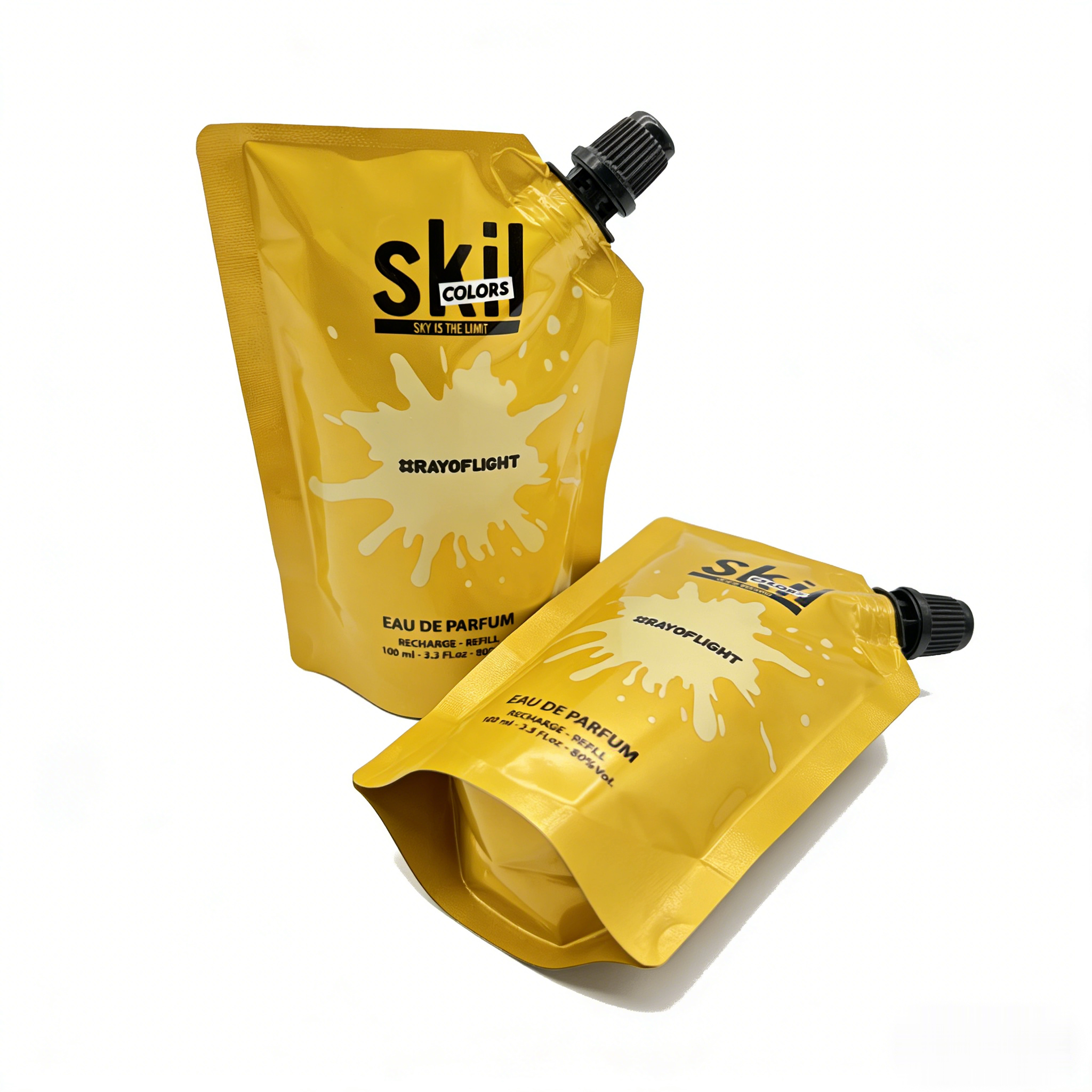
Refillable systems within eco friendly cosmetic packaging create transformative consumer experiences while dramatically reducing environmental impact through innovative design approaches that prioritize longevity, functionality, and aesthetic appeal. These sophisticated systems feature durable outer containers crafted from premium materials like bamboo, recycled aluminum, or bio-based composites that withstand repeated use while maintaining luxurious presentation standards expected by discerning beauty consumers. The engineering precision required for effective refillable systems incorporates magnetic closures, twist-lock mechanisms, and snap-fit designs that ensure secure product containment while enabling effortless refill replacement by users of all ages and dexterity levels. Economic advantages become substantial over time, as consumers purchase initial containers once then buy replacement refills at reduced costs, creating savings that accumulate significantly for frequently used products like foundation, mascara, or daily moisturizers. Environmental benefits multiply exponentially as refillable systems can eliminate up to 80 percent of packaging waste compared to traditional single-use containers, representing massive reductions in material consumption, manufacturing energy, and transportation requirements. Brand loyalty strengthens through refillable systems as consumers invest in permanent containers that create ongoing relationships with specific brands, reducing likelihood of switching to competitors and increasing lifetime customer value. Design innovation flourishes within refillable systems, enabling brands to create modular components, interchangeable elements, and personalization options that enhance user engagement while reducing overall material usage. Quality engineering ensures refillable mechanisms maintain integrity through hundreds of use cycles, with precision tolerances that prevent product leakage, contamination, or degradation during repeated opening and closing. Supply chain efficiency improves as refill products require less packaging material, reduce shipping volumes, and enable more efficient inventory management compared to complete product replacements. Consumer education programs help users maximize benefits from refillable systems, including proper cleaning techniques, replacement timing, and recycling options for end-of-life containers. Market differentiation accelerates as refillable systems become premium positioning tools that communicate brand innovation, environmental leadership, and customer value creation. Technological advancement continues improving refillable system functionality through smart dispensing mechanisms, precise portion control, and integrated user feedback systems that enhance overall product experience while maintaining sustainable principles.
 ×
×

 EN
EN