custom food packaging bags
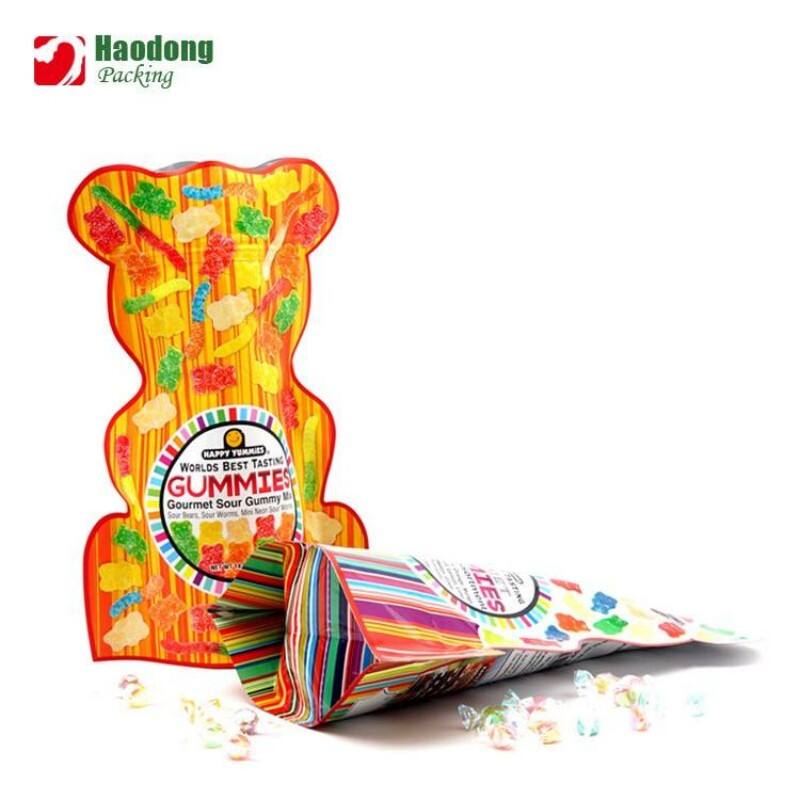
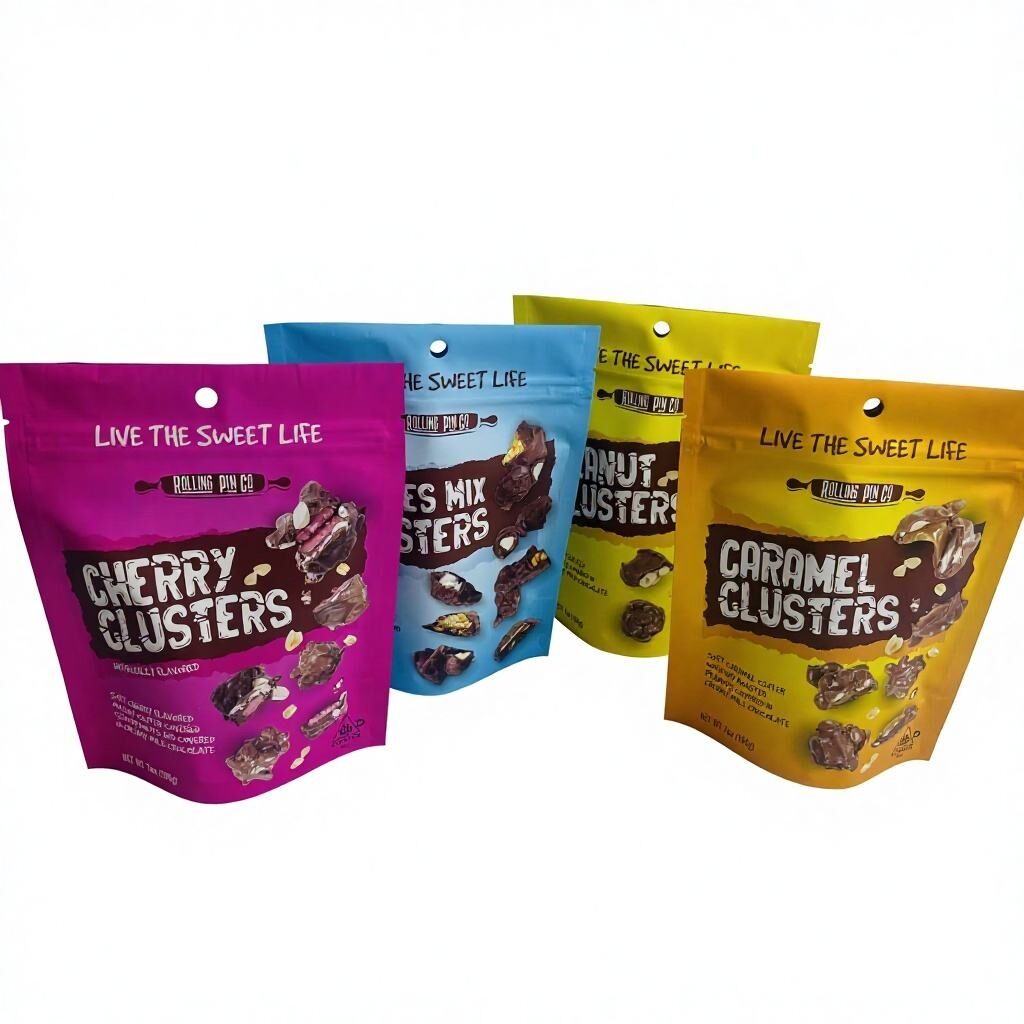
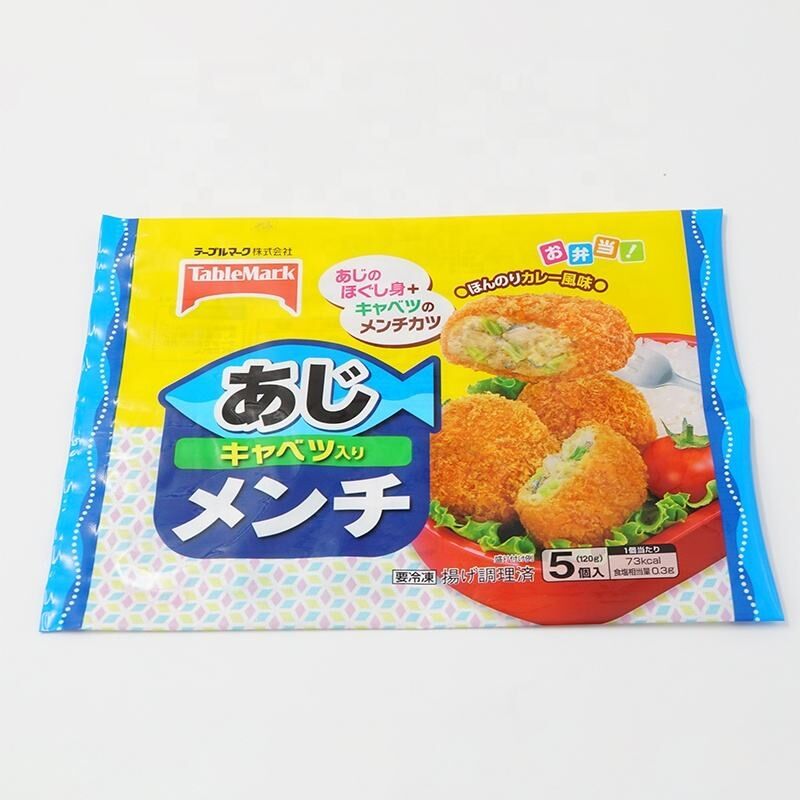
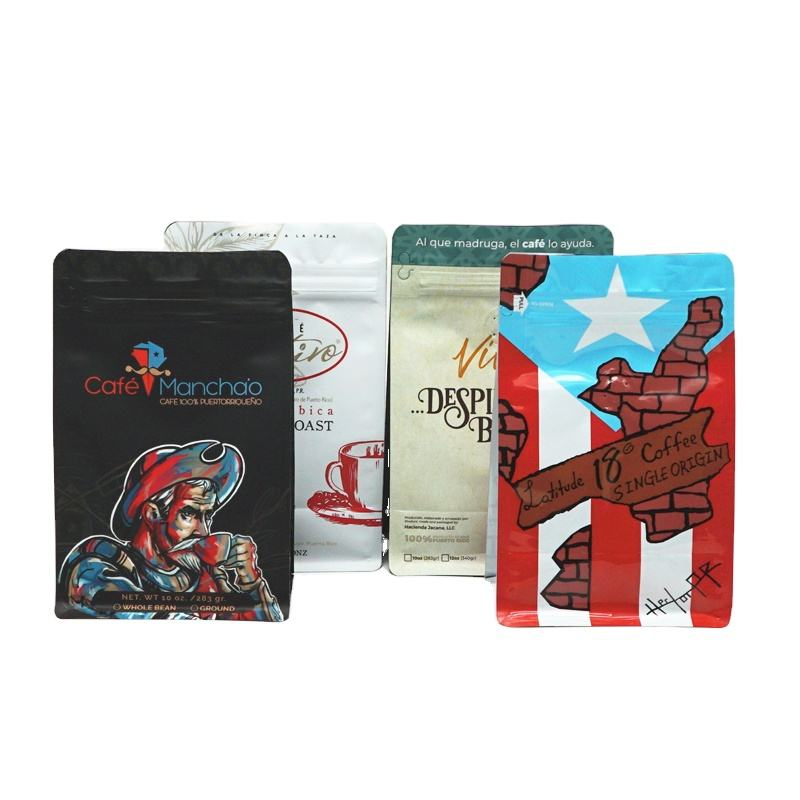
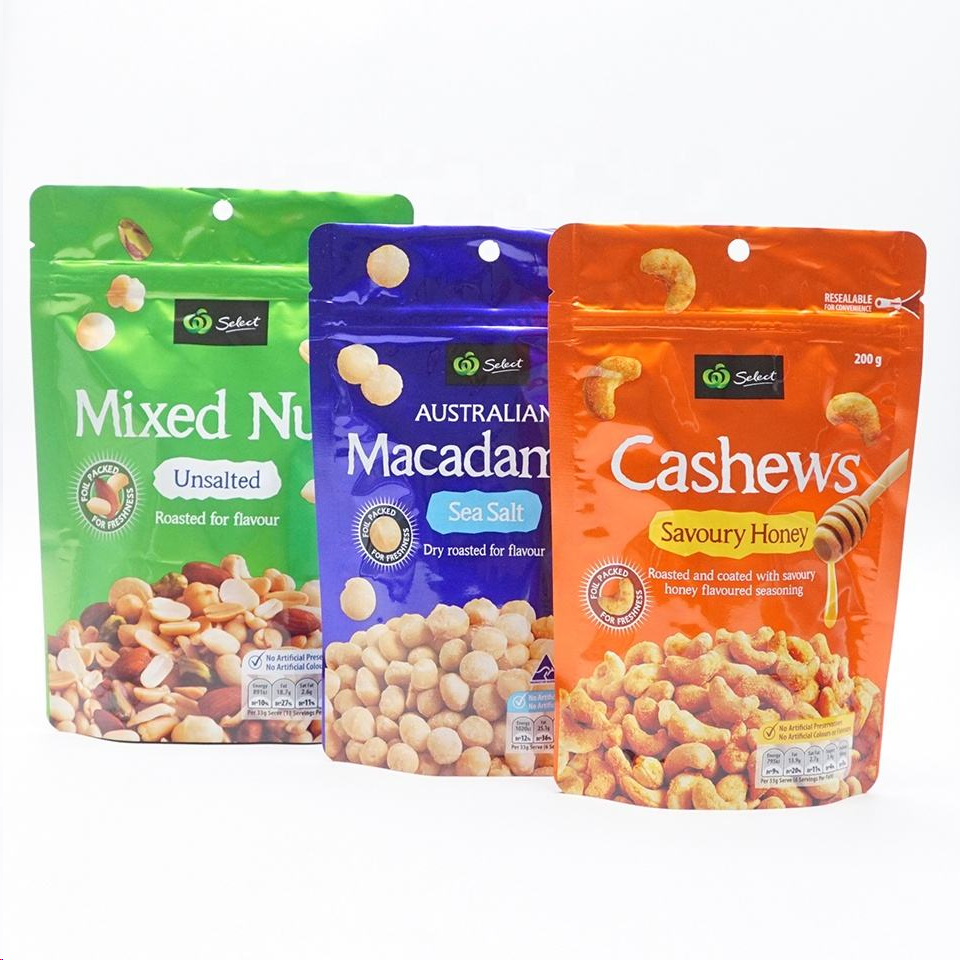
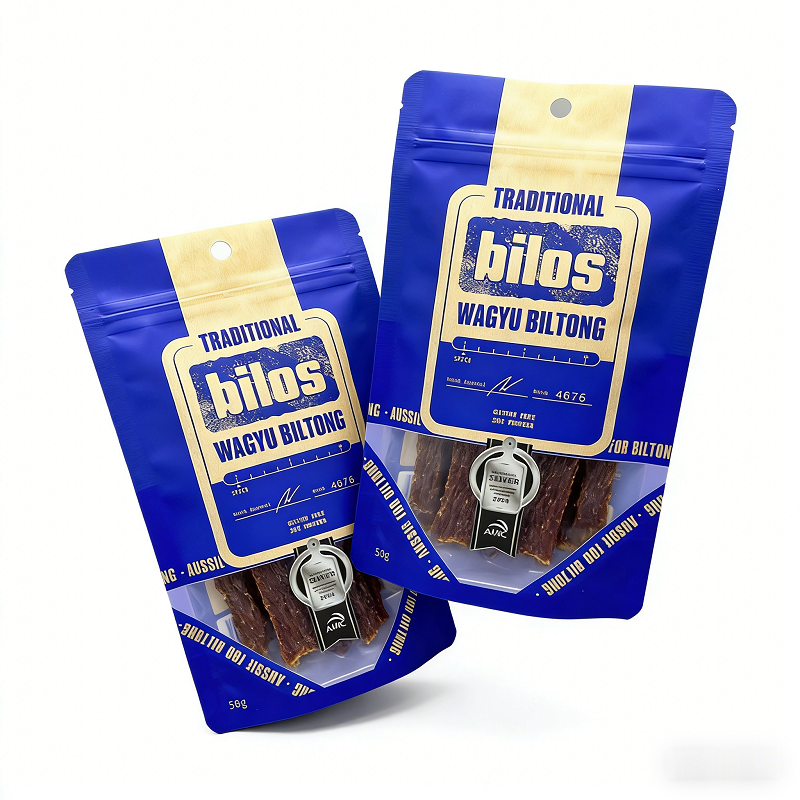
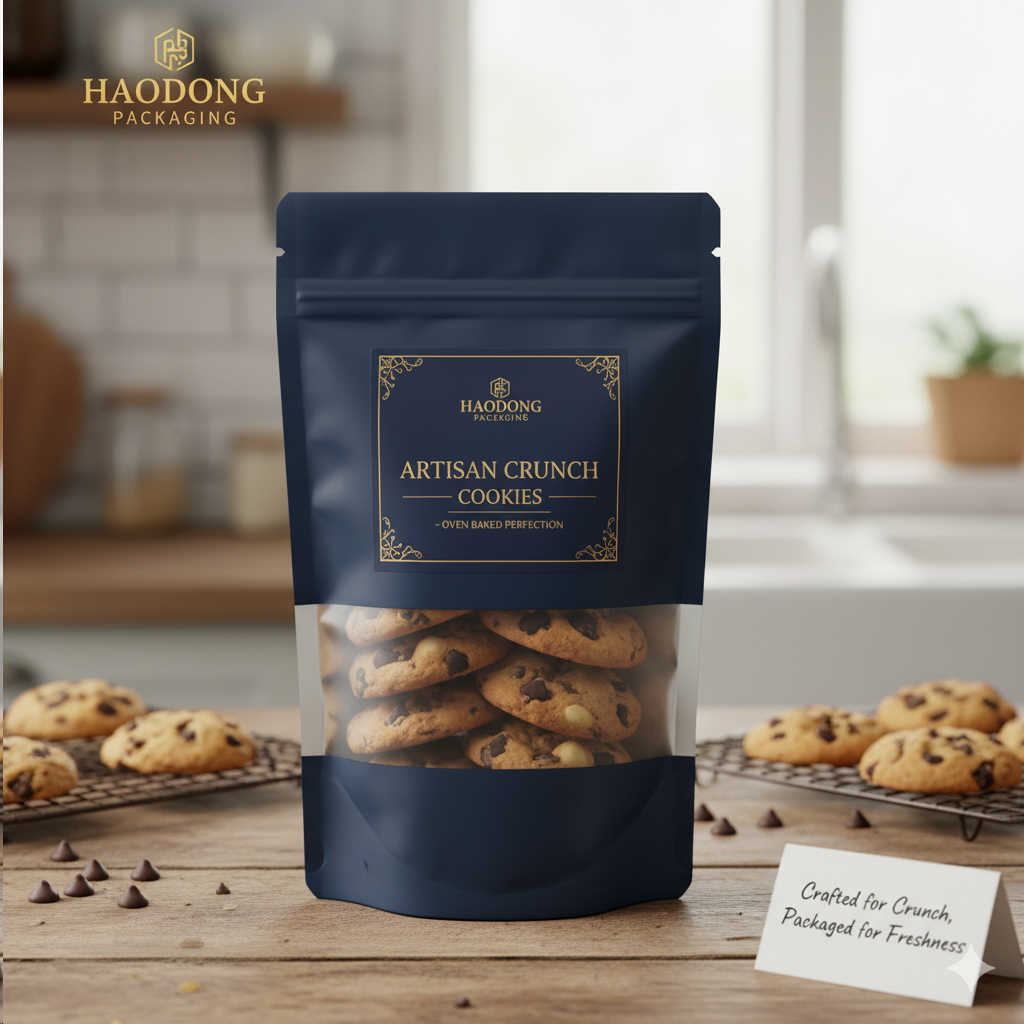
Custom food packaging bags represent a revolutionary solution in modern food preservation and branding, designed to meet the specific needs of businesses across the food industry. These specialized packaging solutions combine advanced materials science with personalized design capabilities, creating a protective barrier that maintains product freshness while showcasing brand identity. The primary function of custom food packaging bags centers on preserving food quality through superior barrier properties that prevent moisture, oxygen, and light penetration. These bags utilize multi-layer construction techniques, incorporating materials such as polyethylene, polypropylene, aluminum foil, and specialized barrier films to create an optimal environment for various food products. The technological features include heat-sealing capabilities, vacuum compatibility, and resealable closures that ensure product integrity from manufacturing to consumption. Custom food packaging bags serve diverse applications spanning retail groceries, restaurant takeaways, frozen foods, snack products, coffee packaging, and specialty gourmet items. The customization aspect allows businesses to incorporate brand logos, nutritional information, cooking instructions, and attractive graphics that enhance shelf appeal and consumer engagement. Advanced printing technologies enable high-resolution imagery and vibrant colors that withstand transportation and storage conditions. These bags accommodate various sizes and shapes, from small portion controls to bulk packaging requirements, making them suitable for startups and established enterprises alike. The manufacturing process employs sustainable practices, with many custom food packaging bags featuring recyclable materials and eco-friendly inks. Quality control measures ensure consistent performance across production batches, while regulatory compliance guarantees food safety standards. The versatility of custom food packaging bags extends to temperature resistance, allowing products to maintain stability in frozen, refrigerated, or ambient storage conditions, making them indispensable for modern food distribution networks.
 ×
×

 EN
EN