Premium Coffee Bag Packaging Solutions - Advanced Freshness Protection & Custom Design

Get a Free Quote

Our representative will contact you soon.
Email
Name
Company Name
Mobile/WhatsApp
Message
0/1000

coffee bag packaging

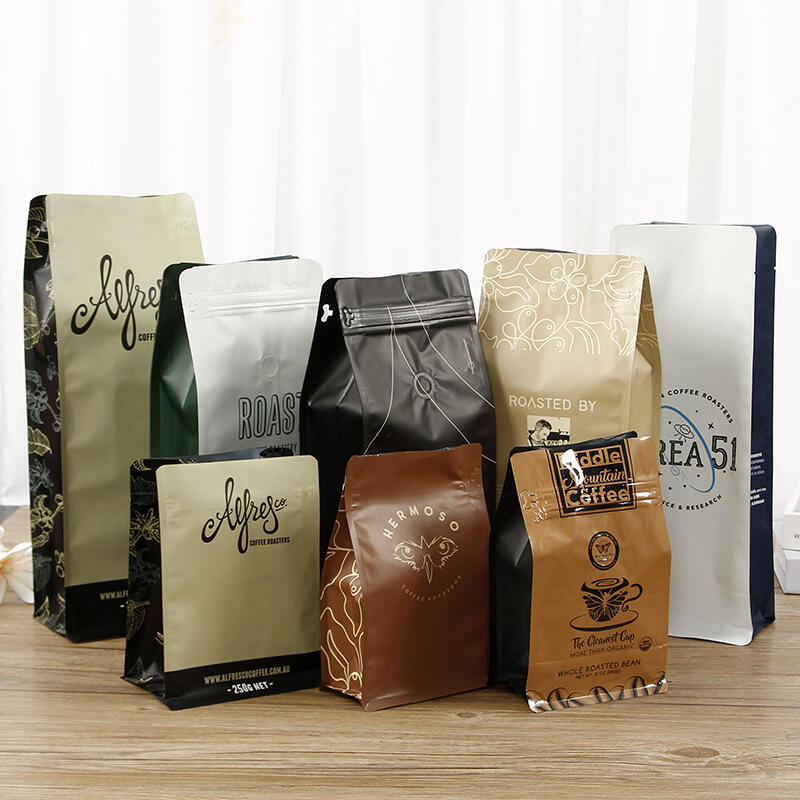
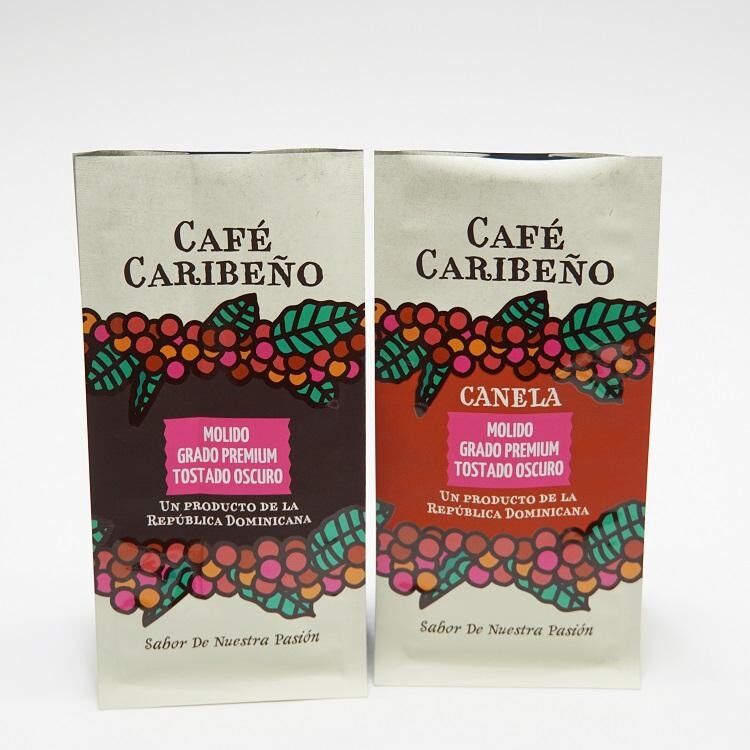
Coffee bag packaging represents a sophisticated solution designed to preserve the freshness, aroma, and quality of coffee beans and ground coffee throughout the supply chain. This specialized packaging system incorporates advanced barrier technologies that protect coffee from its primary enemies: oxygen, moisture, light, and temperature fluctuations. Modern coffee bag packaging utilizes multi-layer laminated structures featuring materials such as polyethylene, aluminum foil, and specialized polymer films that create an impermeable barrier against external elements. The technological foundation of coffee bag packaging centers on degassing valves, which allow carbon dioxide to escape from freshly roasted beans while preventing oxygen infiltration. These one-way valves are crucial for maintaining optimal pressure within the package and preventing the bags from bursting due to CO2 buildup. The manufacturing process involves precision heat sealing techniques that ensure complete hermetic closure, eliminating potential entry points for contaminants. Applications of coffee bag packaging extend across the entire coffee industry, from small-scale artisan roasters to large commercial operations. Retail environments benefit from the attractive presentation and shelf stability that these packages provide, while consumers appreciate the convenience and freshness protection. The packaging accommodates various coffee forms, including whole beans, ground coffee, and specialty blends, with customizable sizes ranging from single-serving portions to bulk quantities. Advanced printing technologies enable vibrant graphics and detailed product information display, supporting brand recognition and consumer education. The structural integrity of coffee bag packaging withstands the rigors of transportation, storage, and handling, ensuring product protection from roastery to cup. Environmental considerations have driven innovations in sustainable materials, with many manufacturers now offering recyclable and biodegradable options that maintain performance standards while reducing ecological impact.

New Product Releases

Coffee bag packaging delivers exceptional freshness preservation that directly impacts the quality of your final brew. The multi-layer barrier construction blocks oxygen penetration, which is the primary cause of coffee staleness and flavor degradation. This protection extends shelf life significantly, allowing consumers to enjoy peak flavor profiles weeks or even months after packaging. The built-in degassing valve technology provides a crucial advantage by managing the natural CO2 emission from freshly roasted beans without compromising the protective atmosphere inside the package. This innovation prevents package bloating while maintaining optimal storage conditions. Cost effectiveness represents another major benefit, as coffee bag packaging offers premium protection at a fraction of the cost compared to rigid containers or cans. The lightweight design reduces shipping expenses and storage requirements, providing economic advantages throughout the distribution chain. Convenience features make coffee bag packaging highly practical for both retailers and consumers. The flexible format occupies minimal shelf space while maximizing product visibility through clear windows or transparent sections. Resealable closures, such as zip locks or heat-seal strips, enable portion control and maintain freshness after opening. The packaging adapts to various retail environments, from grocery stores to coffee shops, with options for hanging displays or counter placement. Brand differentiation becomes achievable through customizable printing capabilities that support vibrant colors, detailed graphics, and comprehensive product information. This visual appeal attracts consumer attention and communicates quality perception effectively. Environmental responsibility is addressed through recyclable materials and reduced packaging waste compared to traditional alternatives. The compact design minimizes material usage while maintaining protective performance, supporting sustainability goals. Storage efficiency benefits both commercial and domestic users, as the packages conform to available space and stack easily. Temperature resistance ensures product integrity across diverse climate conditions, from warehouse storage to retail display. The tamper-evident features provide security assurance, building consumer confidence in product safety and authenticity.

Practical Tips

Factory Resumes Work After Spring Festival Holiday: Safety Training First, Orderly Production Restarted

30

Mar

Factory Resumes Work After Spring Festival Holiday: Safety Training First, Orderly Production Restarted

View More

Get a Free Quote

Our representative will contact you soon.
Email
Name
Company Name
Mobile/WhatsApp
Message
0/1000

coffee bag packaging

Advanced Barrier Technology for Maximum Freshness Protection

Advanced Barrier Technology for Maximum Freshness Protection

The cornerstone of effective coffee bag packaging lies in its sophisticated barrier technology that creates an impenetrable shield against the elements that destroy coffee quality. This multi-layered defense system incorporates specialized films and foils engineered specifically for coffee preservation requirements. The outer layer typically consists of high-strength polyester or nylon that provides structural integrity and puncture resistance, ensuring the package maintains its protective properties throughout handling and transportation. Beneath this protective shell, an aluminum foil barrier serves as the primary oxygen and moisture barrier, virtually eliminating permeability to these destructive elements. The inner layer, usually food-grade polyethylene, provides heat-sealability and direct food contact safety while contributing additional moisture protection. This laminated structure achieves oxygen transmission rates as low as 0.01 cc/m²/day, which is essential for maintaining coffee freshness over extended periods. The barrier technology works synergistically with specialized degassing valves that manage the natural CO2 emission from freshly roasted coffee beans. These precision-engineered valves feature micro-porous membranes that allow gas molecules to escape while preventing larger oxygen molecules from entering. This selective permeability maintains optimal internal pressure while preserving the protective atmosphere within the package. The valve placement and design consider factors such as package orientation, storage conditions, and aesthetic requirements to ensure optimal functionality without compromising package integrity. Advanced barrier coatings further enhance performance by providing additional protection against specific threats such as UV light, which can cause flavor degradation through photochemical reactions. These specialized coatings are applied during the film manufacturing process and become an integral part of the barrier structure. The result is comprehensive protection that maintains coffee aroma, flavor compounds, and essential oils that define coffee quality, ensuring consumers experience the intended taste profile regardless of storage duration or environmental conditions.
Versatile Design Options for Enhanced Brand Appeal and Functionality

Versatile Design Options for Enhanced Brand Appeal and Functionality

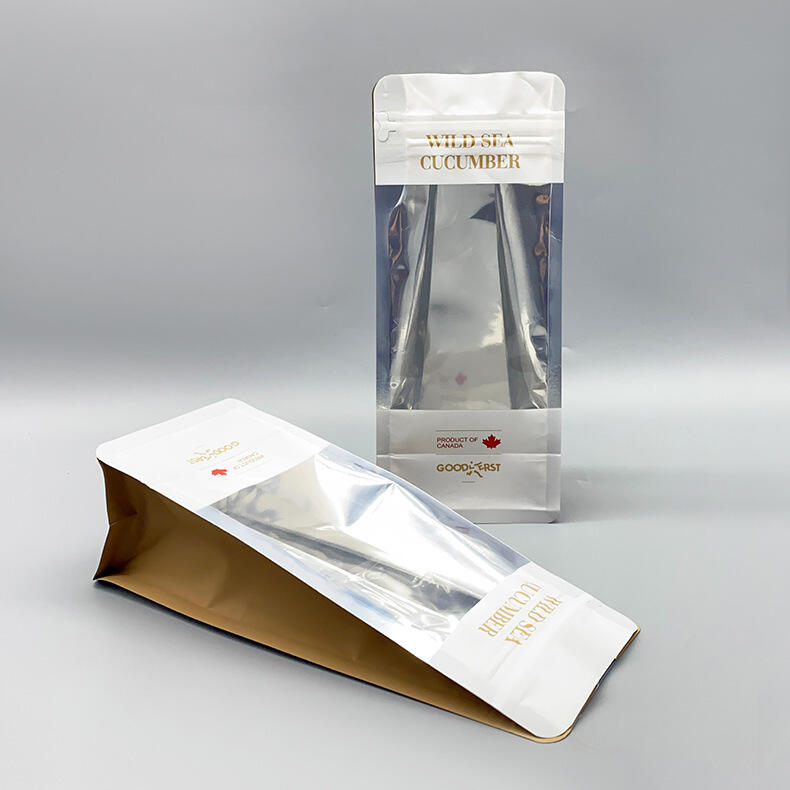
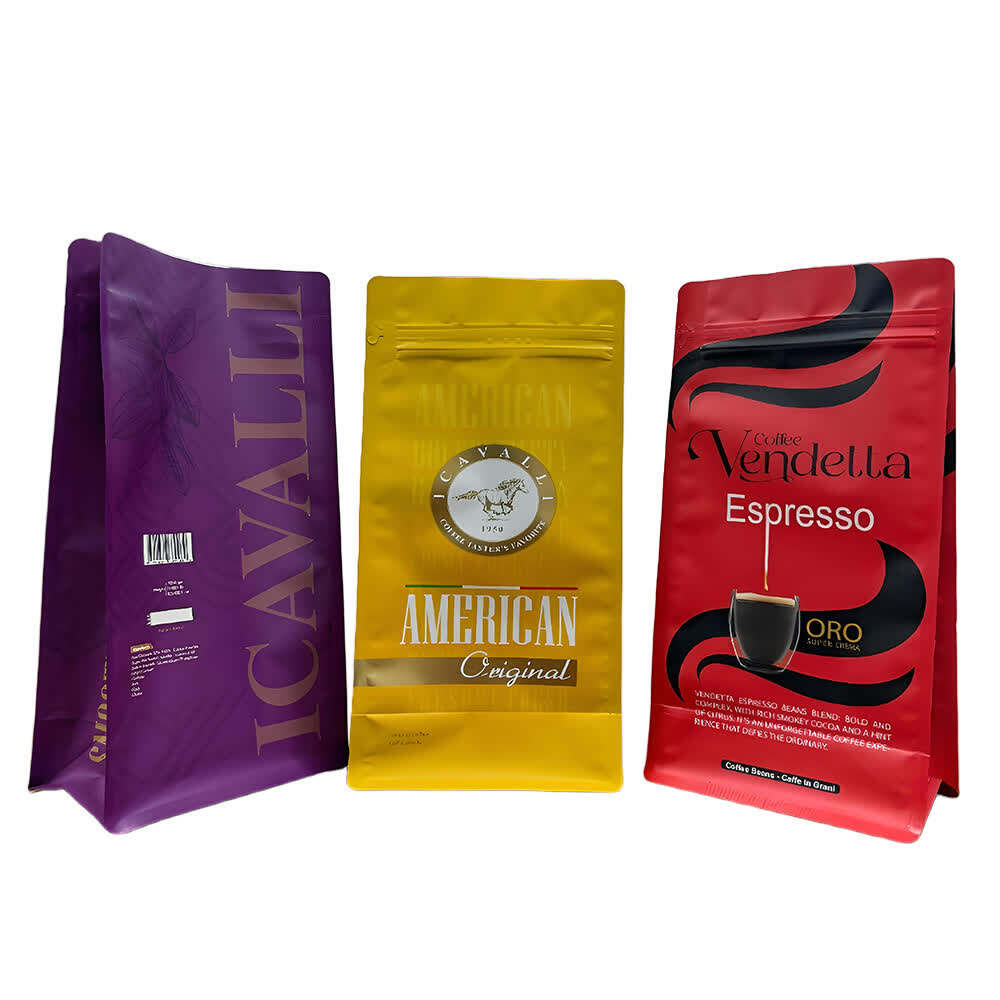
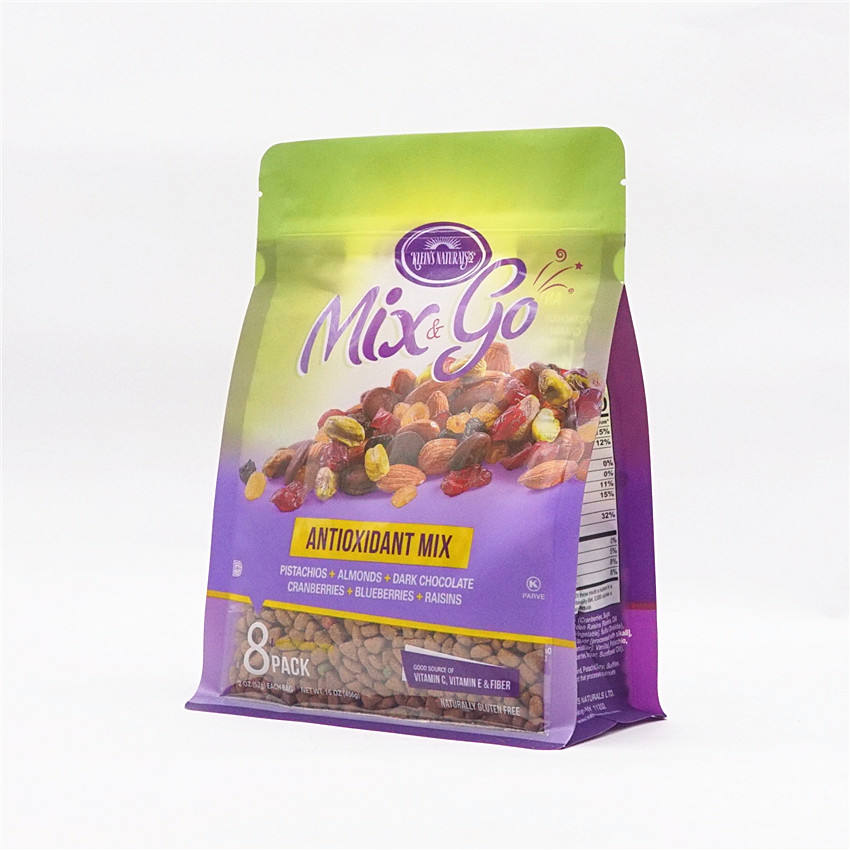
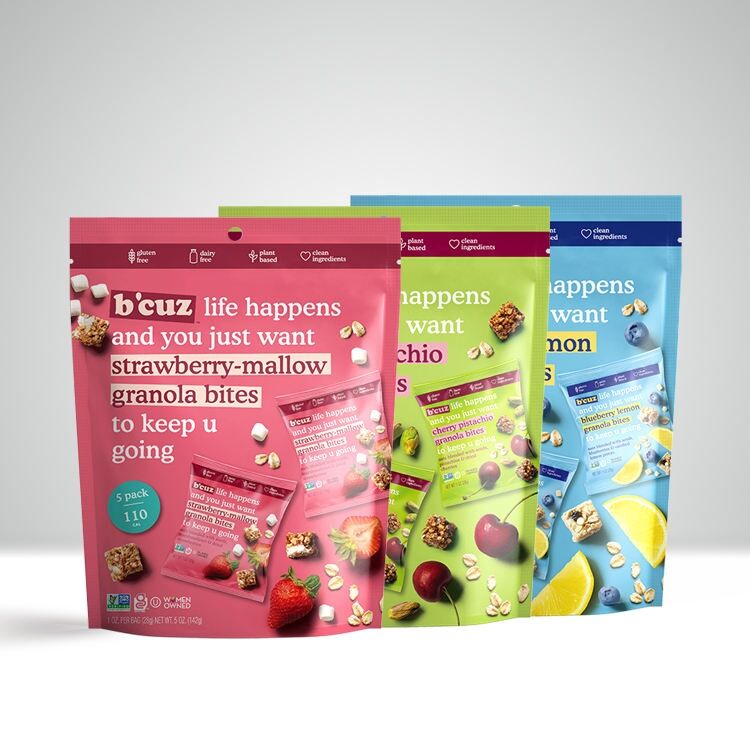
Coffee bag packaging offers unparalleled design flexibility that enables brands to create distinctive market presence while optimizing functionality for specific applications. The customization capabilities extend far beyond basic printing, encompassing structural modifications, material selections, and finishing techniques that align with brand identity and consumer preferences. Shape variations include traditional pillow bags, stand-up pouches, flat bottom bags, and side-gusseted designs, each offering unique advantages for different retail environments and consumer usage patterns. Stand-up pouches provide excellent shelf presence and stability, making them ideal for premium coffee presentations, while flat bottom bags offer superior filling efficiency and storage optimization for commercial applications. The printing possibilities are virtually limitless, supporting full-color graphics, metallic finishes, matte or gloss coatings, and tactile elements that enhance consumer engagement. Advanced printing technologies such as rotogravure and digital printing enable photographic quality imagery, gradient effects, and precise color matching that supports brand consistency across product lines. Window options, including transparent films or die-cut openings, allow consumers to examine product quality while maintaining protective barrier properties. These windows can be strategically positioned to showcase bean color, grind consistency, or fill level, building consumer confidence and supporting purchase decisions. Closure systems represent another critical design element, with options including heat seals, zip closures, tin ties, and valve-integrated sealing systems. Each closure type addresses specific user needs, from single-use applications to multi-opening convenience. Size customization accommodates market segments ranging from single-serving samples to bulk commercial packages, with precise volume control ensuring consistent fill weights and optimal package utilization. Sustainable design options incorporate recycled materials, biodegradable films, and reduced material thickness while maintaining performance standards. Special features such as tear notches, easy-open strips, and ergonomic shapes enhance user experience and accessibility, particularly important for elderly or mobility-impaired consumers seeking convenient coffee access.

Superior Storage and Transportation Efficiency

Superior Storage and Transportation Efficiency

The efficiency advantages of coffee bag packaging become particularly evident in storage and transportation scenarios where space optimization directly impacts operational costs and logistical effectiveness. Unlike rigid packaging alternatives, flexible coffee bag packaging conforms to available space, maximizing storage density and reducing warehouse requirements. This adaptability translates to significant cost savings in rent, utilities, and handling equipment, particularly important for businesses operating in high-cost urban markets or dealing with seasonal volume fluctuations. The lightweight characteristics of coffee bag packaging dramatically reduce shipping costs compared to traditional packaging methods such as cans or glass containers. Weight reductions of up to 70 percent are achievable without compromising product protection, resulting in substantial savings in freight charges, fuel consumption, and carbon footprint reduction. This efficiency becomes more pronounced in international shipping scenarios where weight-based pricing structures make lightweight packaging economically advantageous. Stacking stability represents another crucial efficiency factor, as properly designed coffee bag packaging maintains structural integrity under compression loads typical in warehouse environments. The package design can incorporate reinforcing elements such as bottom gussets or corner supports that distribute weight evenly and prevent deformation. This stability enables higher stacking heights and more efficient use of vertical storage space without risking package integrity or product quality. Temperature resistance ensures that coffee bag packaging maintains protective properties across the temperature ranges encountered during transportation and storage. This resilience eliminates the need for specialized climate-controlled transportation in many cases, reducing logistics complexity and associated costs. The packaging withstands temperature fluctuations common in shipping containers, delivery vehicles, and retail storage areas without compromising barrier properties or structural integrity. Handling efficiency benefits both automated and manual operations, as the flexible format adapts to various packaging machinery and reduces the risk of jams or malfunctions common with rigid packaging. The smooth surfaces and consistent dimensions facilitate high-speed filling and sealing operations, improving production throughput and reducing labor requirements. For manual handling, the lightweight and compact format reduces worker fatigue and injury risk while improving productivity in picking, packing, and stocking operations.

Get a Free Quote

Our representative will contact you soon.
Email
Name
Company Name
Mobile/WhatsApp
Message
0/1000